
Swayn Open Research
The Alastair Swayn Foundation is committed to information sharing and transparency of the research it funds. We believe that research supported by the Foundation should be made discoverable and readily accessible online. The Swayn Open Research repository provides a place for researchers to promptly have their findings published on an open access basis, to benefit the architecture and design community.
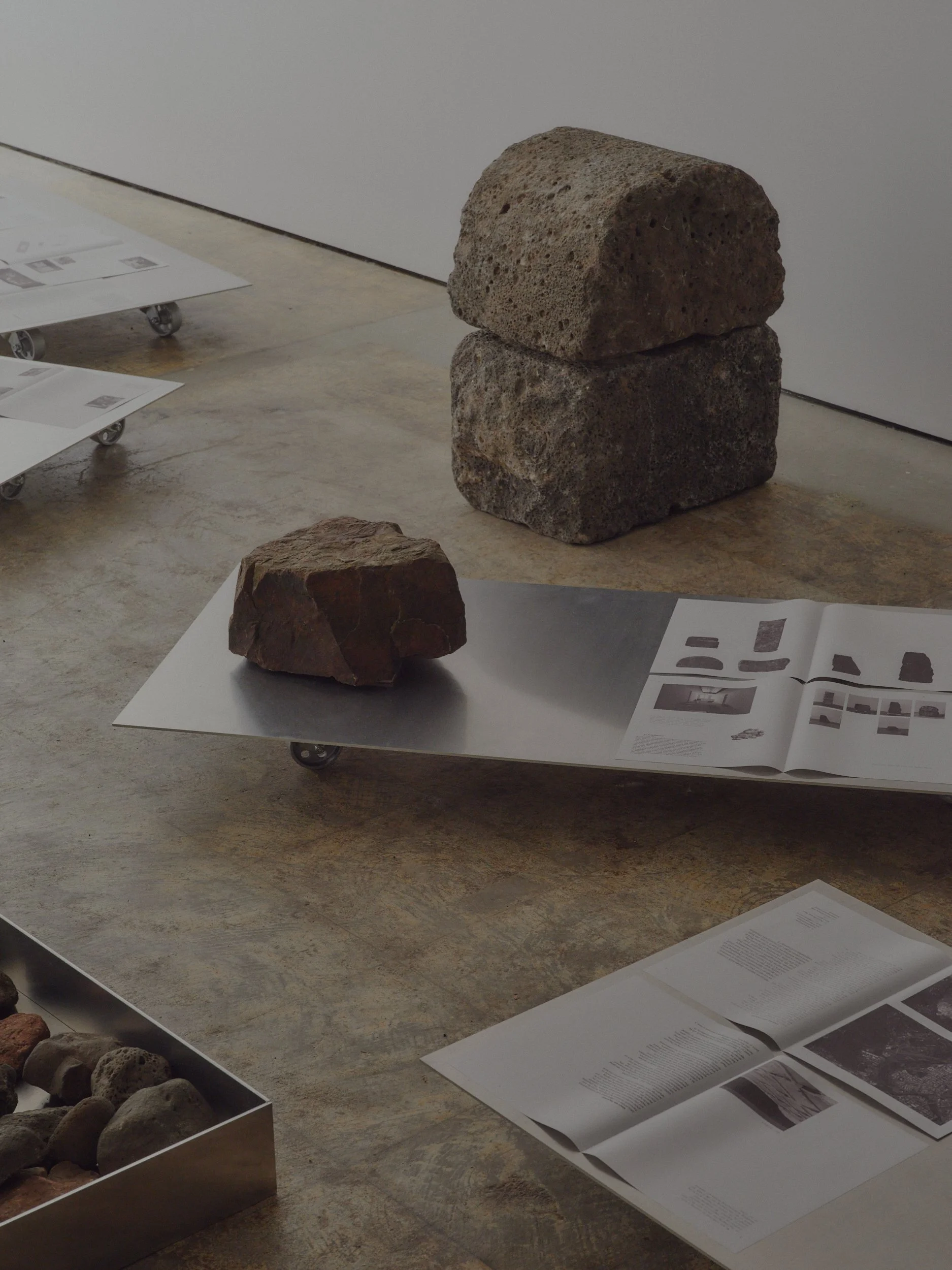
GROUNDING: Practice, Process & Place
Adaptable and site-responsive, the framework aims to establish respectful modes of working on Country and with landscapes that inform our projects, while also expanding the boundaries of our respective practices and disciplines.
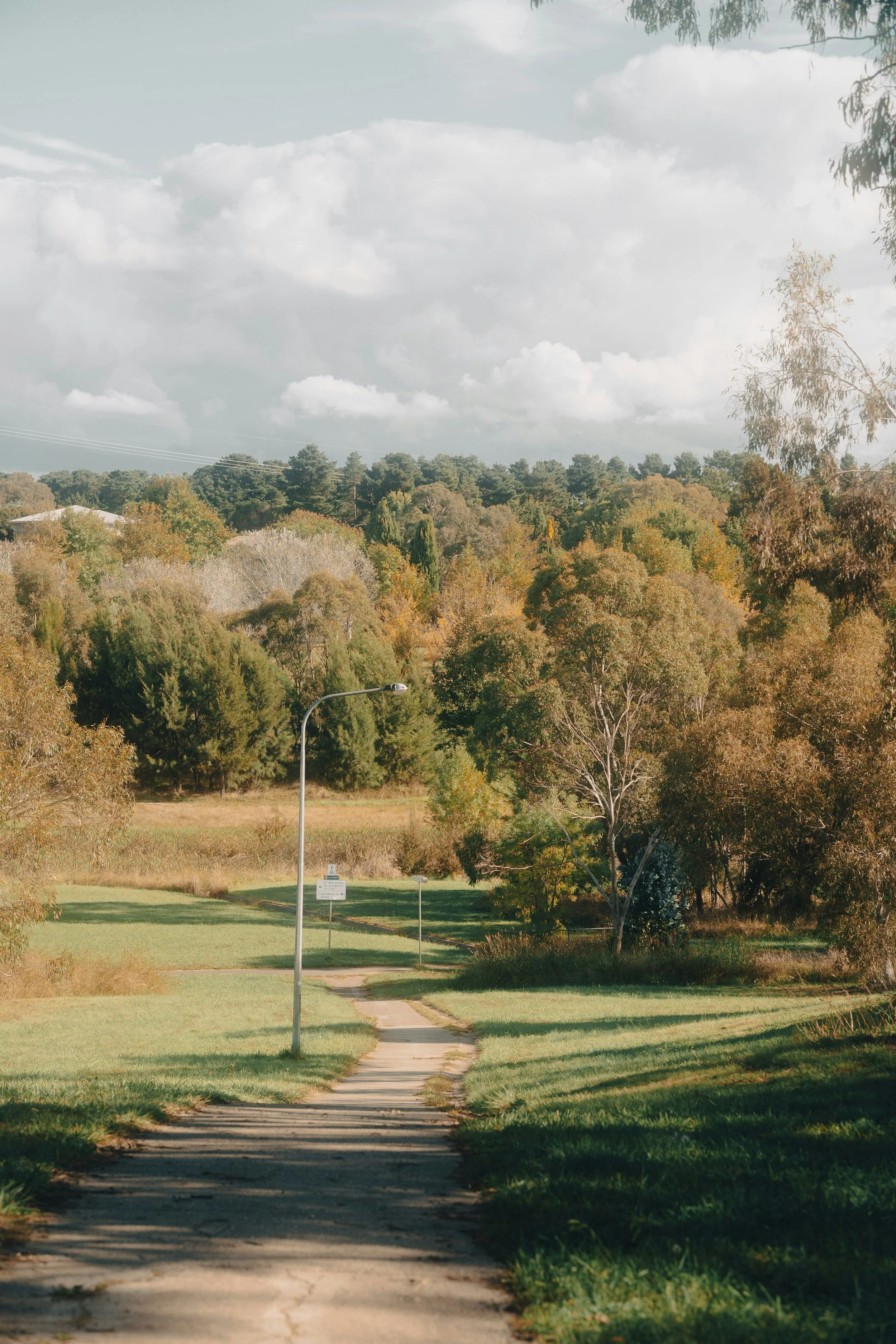
How integrated into their communities are aged care typologies in Canberra? An assessment of walkability
A case study of Canberra Aged Care in Lyneham, Australian Capital Territory (ACT), forms the basis of a mixed-methods study combining the Seniors Walking Environmental Audit Tool-Revised (SWEAT-R), and spatial and visual mapping. Central to this study is a novel phenomenological graphical delayering method, developed to translate the experience of walking into a visual analytic tool.
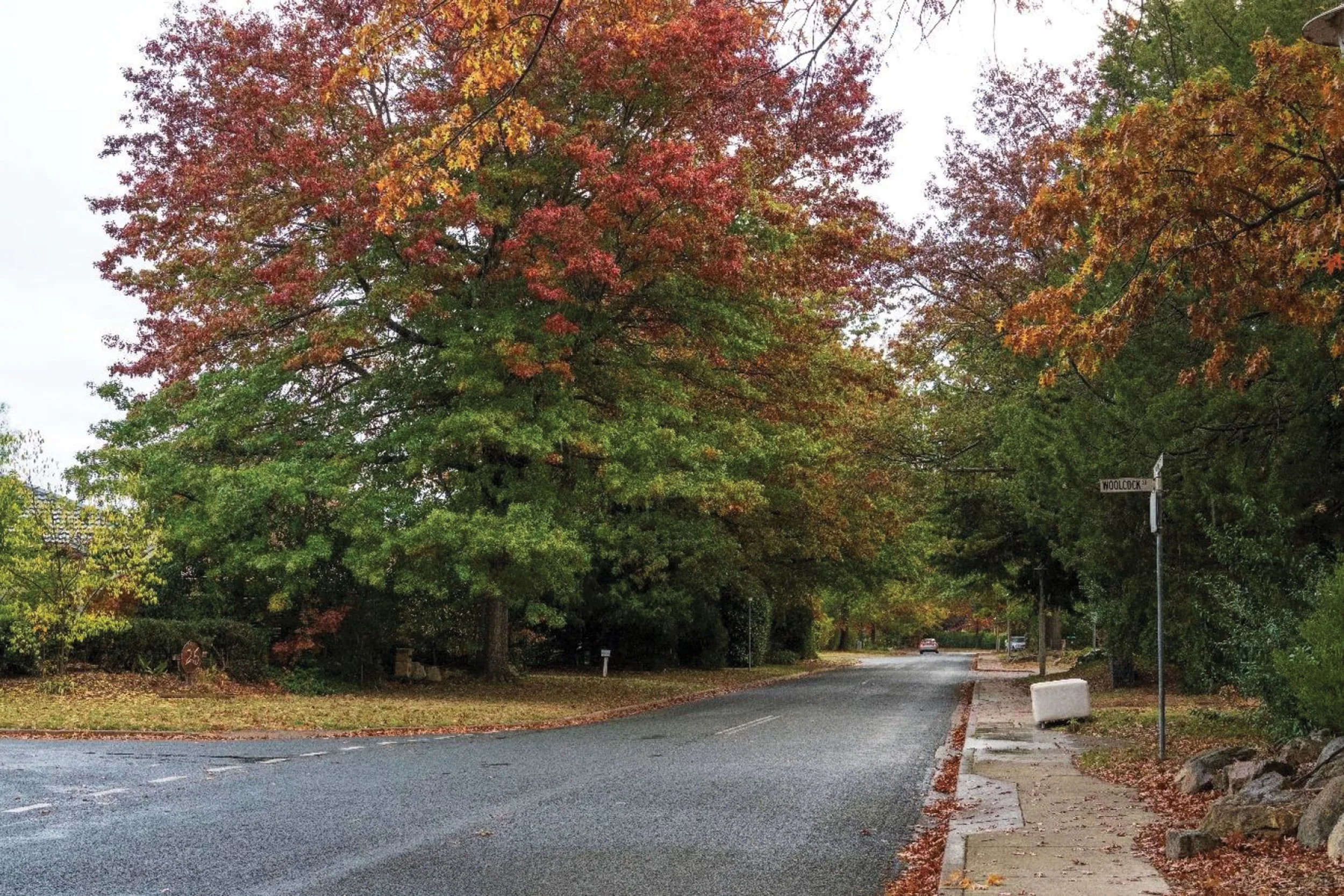
Colouring Canberra’s Suburbs Blue: exploring an alternative densification option for suburban infill
Using the post-war suburb of Watson as a case study, the research analyses the characteristics of Canberra’s “ex-govie” suburbs, where redevelopment pressures are intensifying. Four design scenarios were developed using a real urban section in Watson to test how Bluefield housing principles could be applied to Canberra’s context.
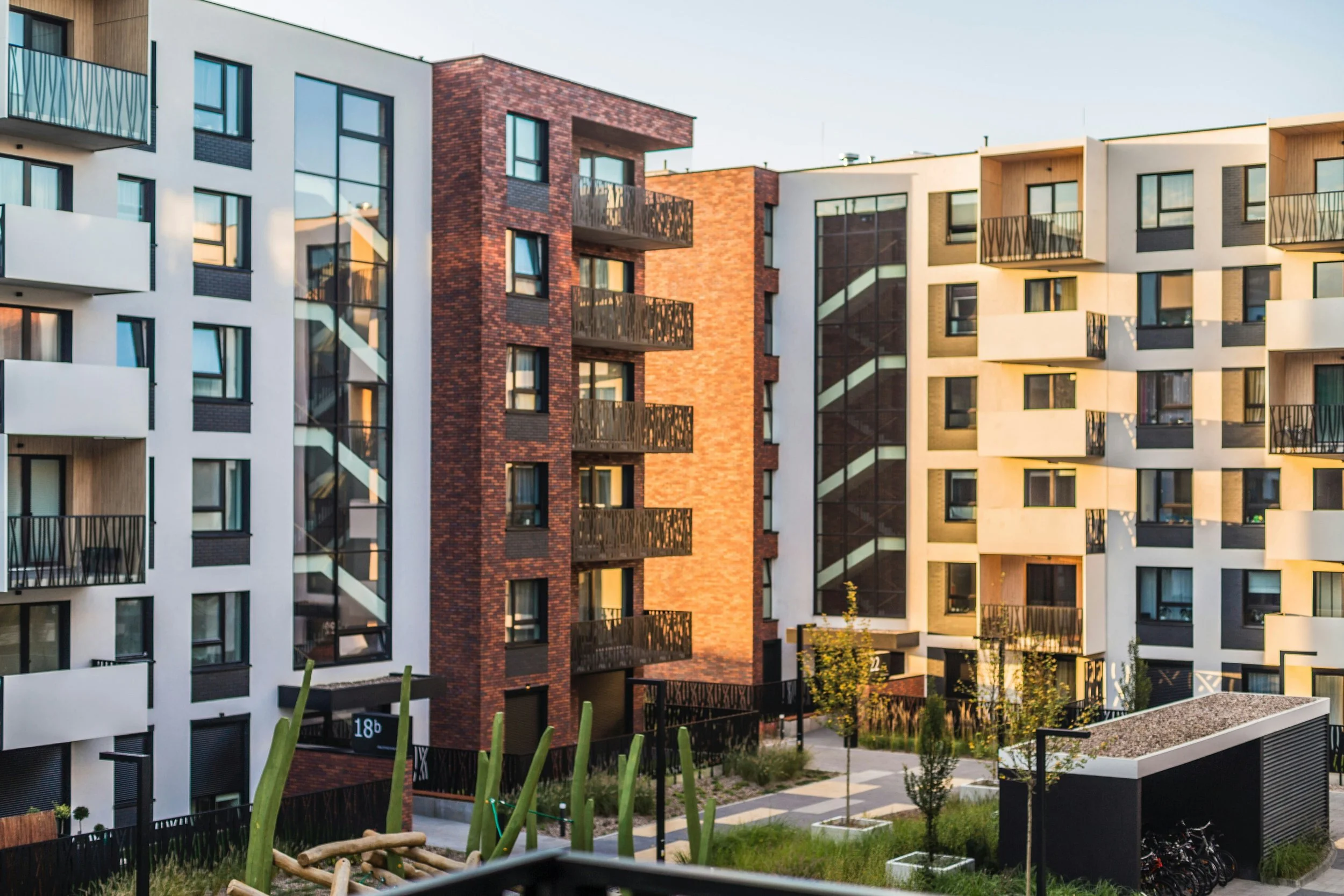
Family-Friendly Apartments in Canberra: Spatial Lessons from Detached Houses for Higher Density Housing
Apartment living is often regarded as unsuitable for Australian families with children. However, this perception may reflect the spatial limitations of typical apartment design rather than an inherent incompatibility between families and higher-density housing.
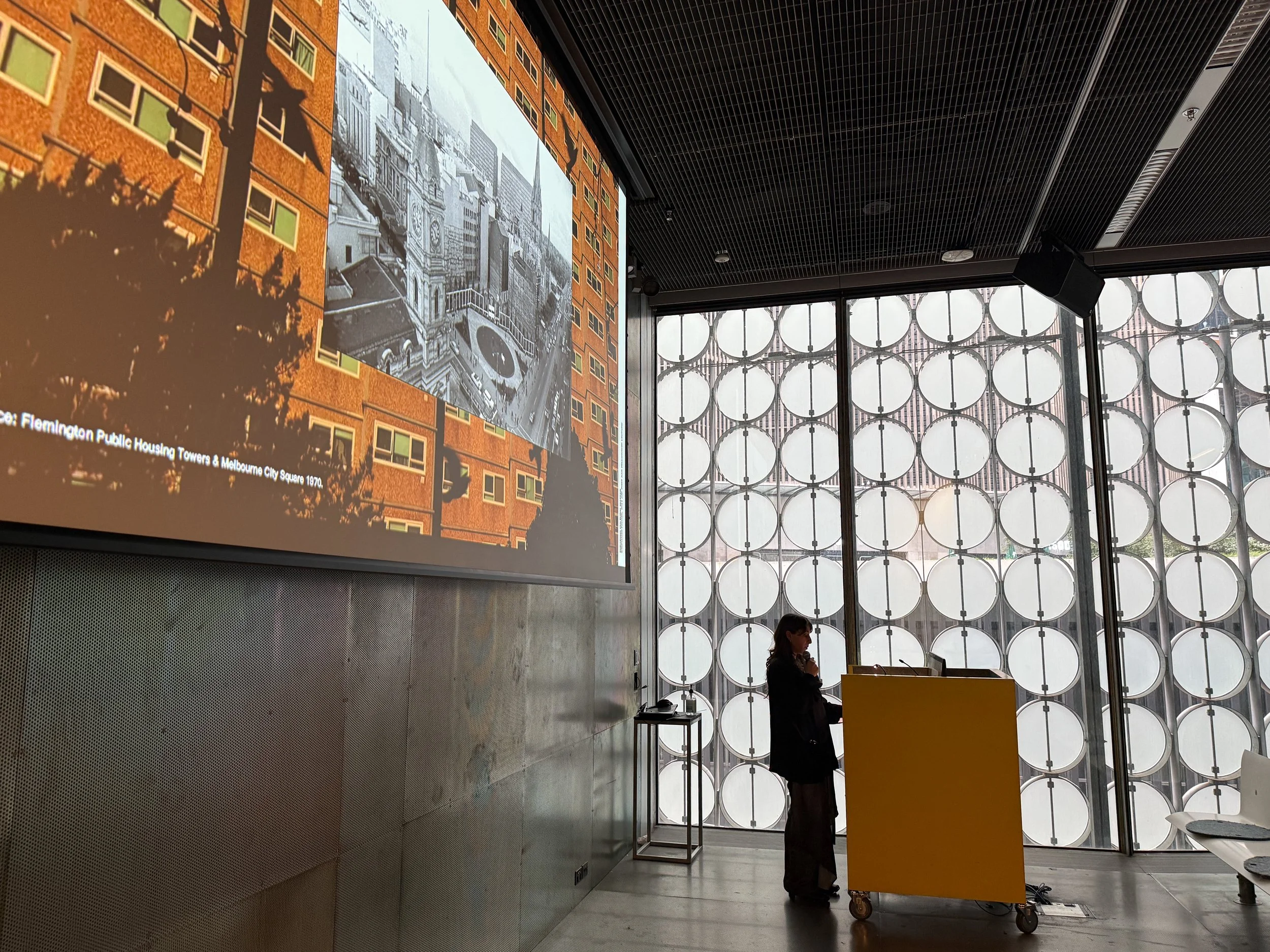
Enduring Cultural Matter: Architectural materials are never neutral
Drawing from her residency at the American Academy in Rome, Stephanie explored material reuse not just as a design strategy, but as a cultural act. Through the lens of spolia - the reuse of fragments from existing structures - she traced how materials can carry memory, labour, and meaning across time, from the travertine quarries of Tivoli to the basalt plains of Western Victoria.
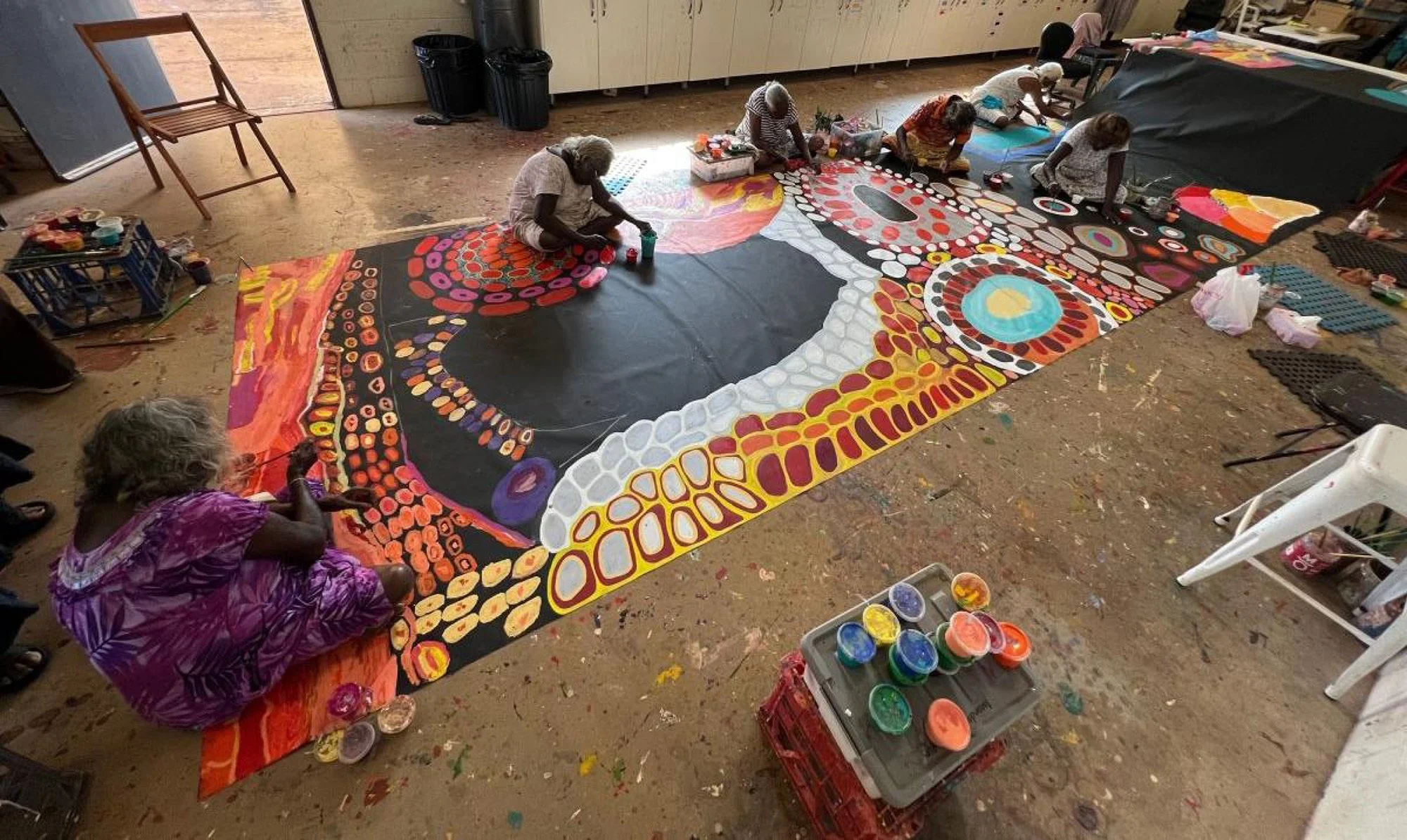
Mirndiyan Gununa: an embedded case study of workplace dynamics of a remote Indigenous Art Centre
The case study report collates preliminary and baseline data investigating the work and workplace dynamics of a Far North Queensland IAC, Mirndiyan Gununa Aboriginal Corporation (aka MIArt), Mornington Island, as an embedded case study. The report presents the key outputs of the study and provides an overview of the IAC and its context to provide an historical and cultural overview.

SUP: The Super Urban Podcast Project
The Super Urban Podcast is a series of conversations about cities and how they’re designed; how we imagine them and how we could re-imagine them, hosted by Ian Nazareth, Graham Crist and Christine Phillips.
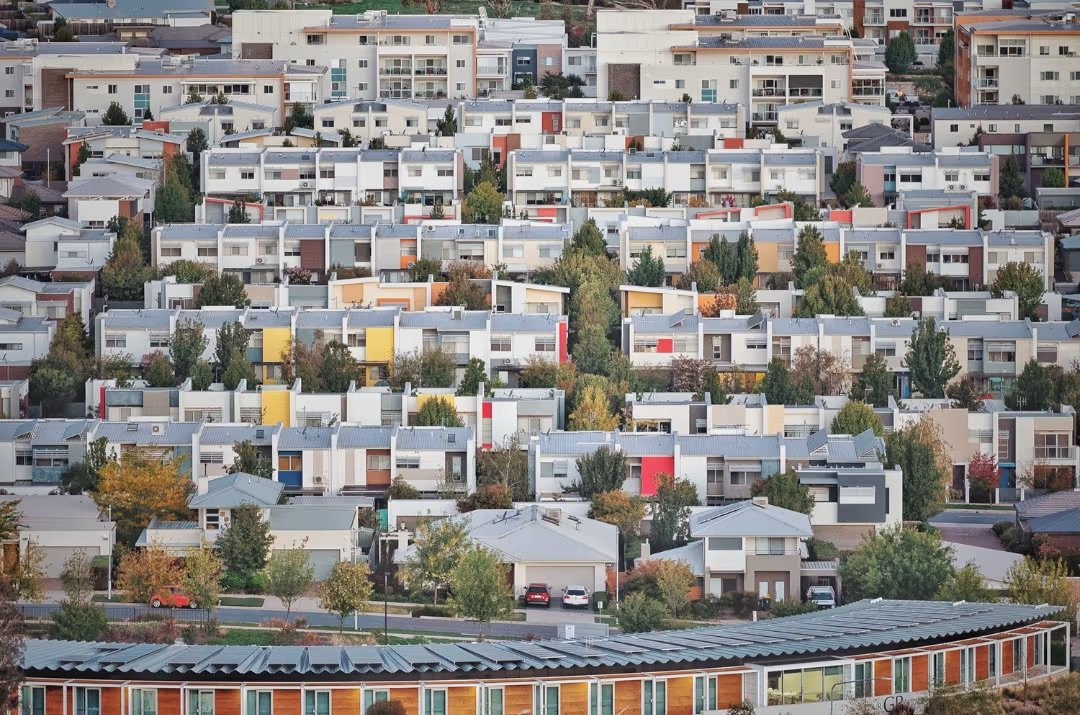
Shared and Sustainable Future Communities
Shared and Sustainable Future Communities explores how regulatory barriers in the ACT affect the growth of cohousing, and outlines reforms to enable more sustainable, affordable, and community-driven housing models.
Solid Yarns: Collaborating with Respect
Solid Yarns is a podcast about how First Nations creatives and industry partners can work together. Each episode features a First Nations creative in conversation with their client, unpacking a project brief and sharing stories behind the work.
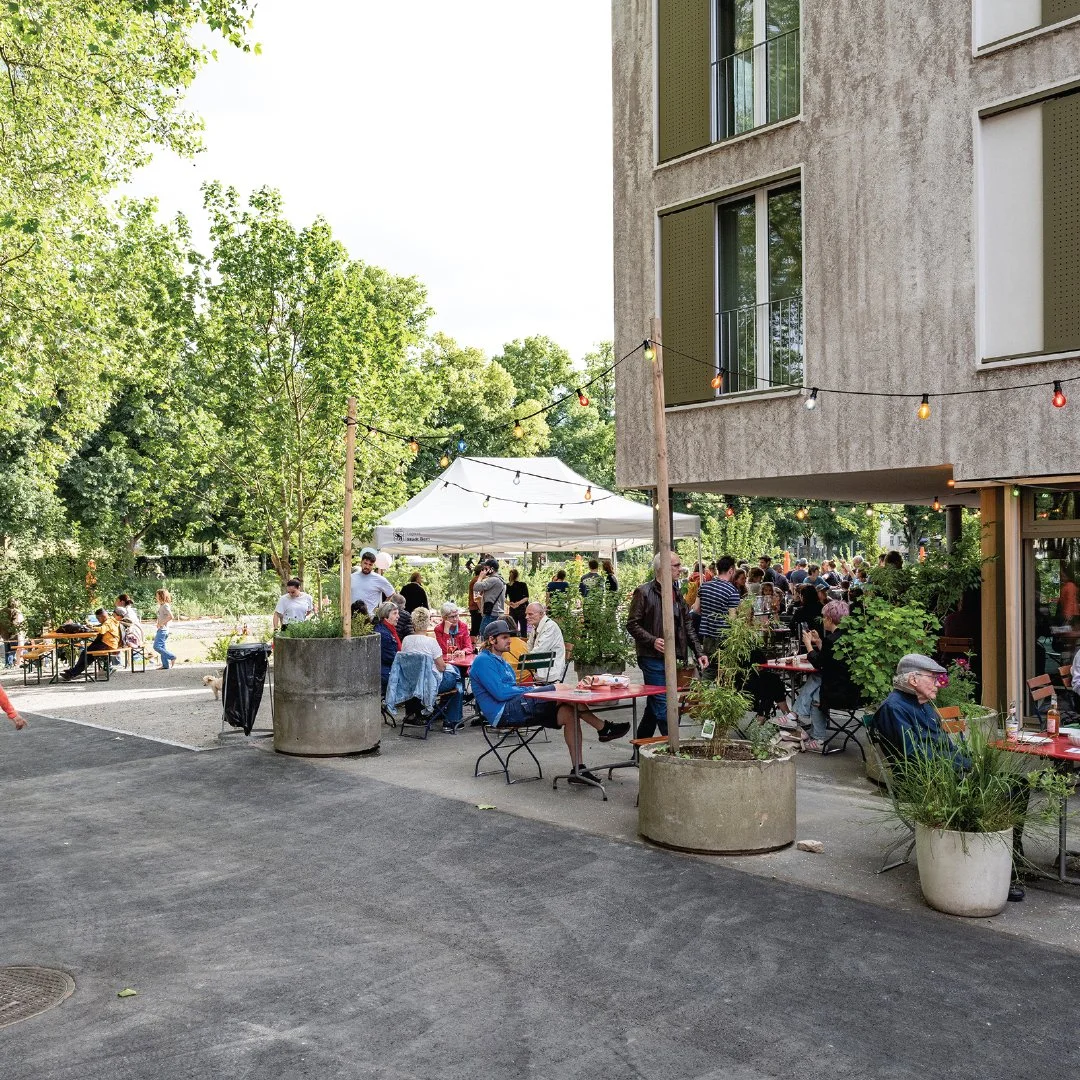
Living Together: Five European Studies
A research project examining five exemplary medium‑density, high‑quality housing case studies in Europe and the UK. They show how land, social capital, and amenities are shared and how design promotes sustainable performance and social connection.
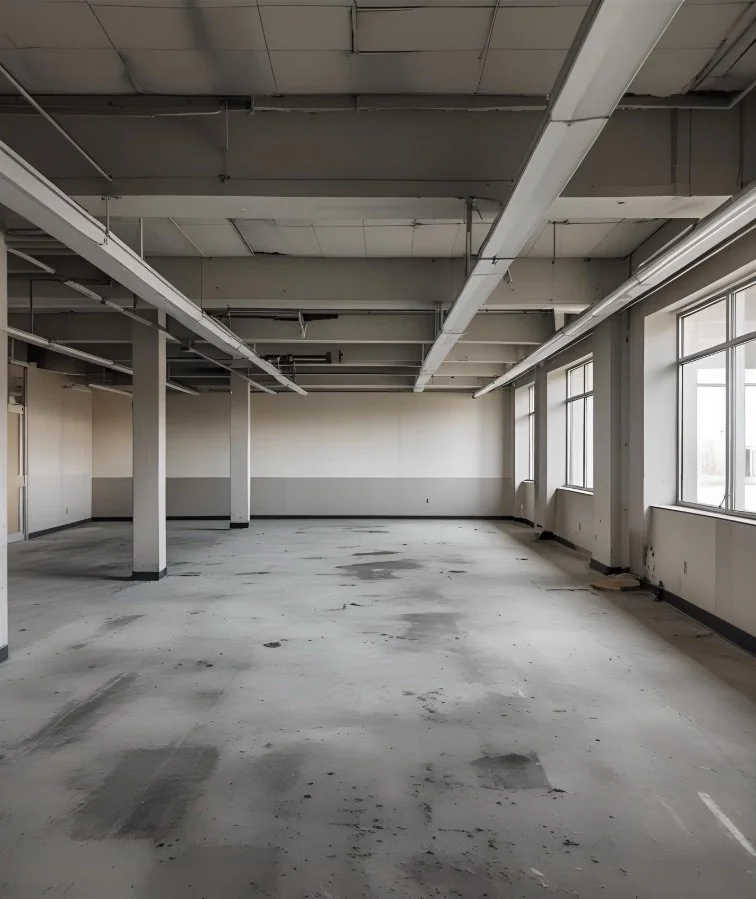
Home Office: Feasibility of Housing in Vacant Commercial Office Buildings of Sydney
What if Sydney’s empty office towers could hold the key to solving its housing affordability crisis? This research investigates how underused commercial buildings can be cost-effectively transformed into high-quality, flexible affordable housing.
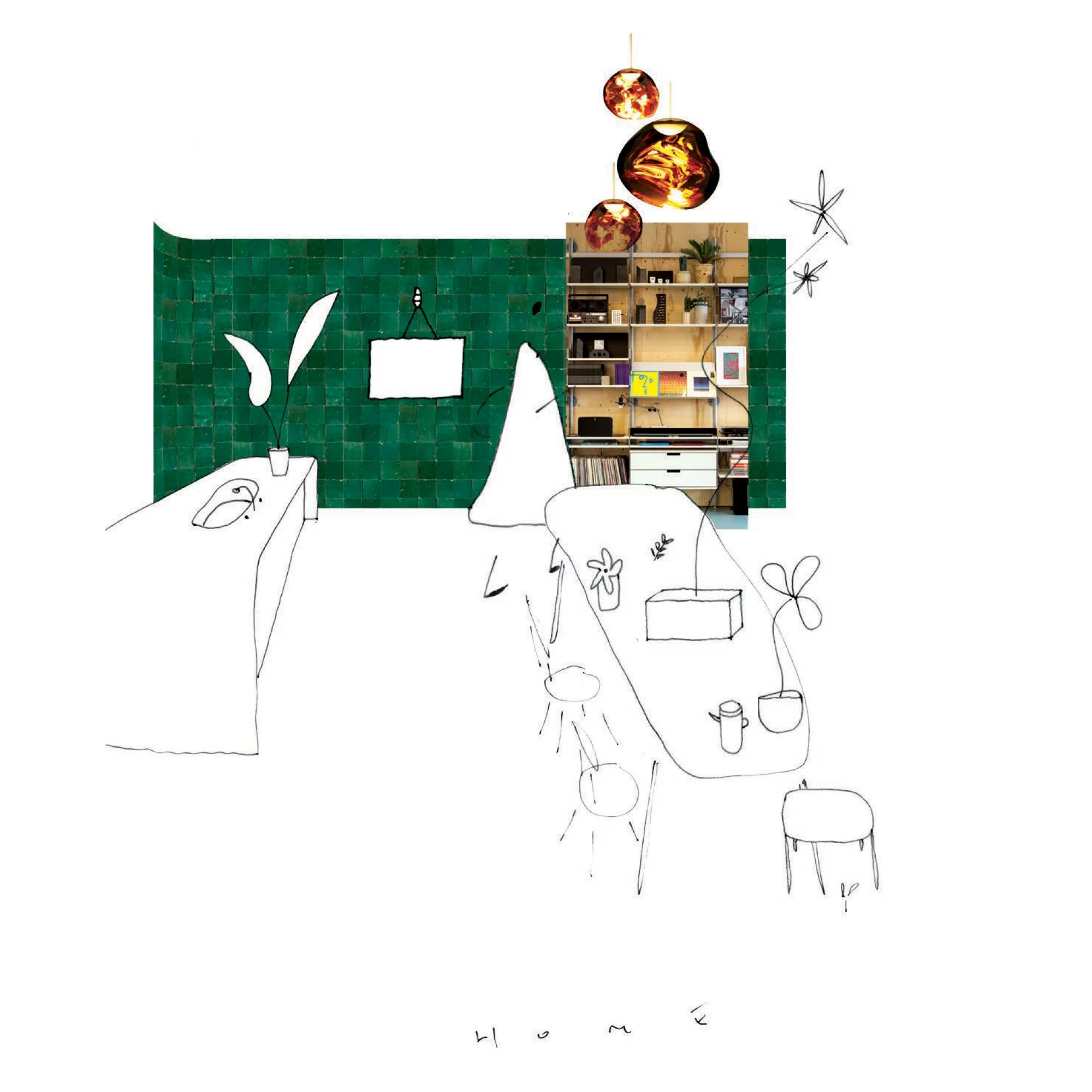
A Home, Not Housing: Empowering Women Through Co-design for a Good-Home Design Blueprint
This report responds to the critical shortage of social and affordable housing in Australia, where over 800,000 people live in 436,300 dwellings - 62% of whom are women.
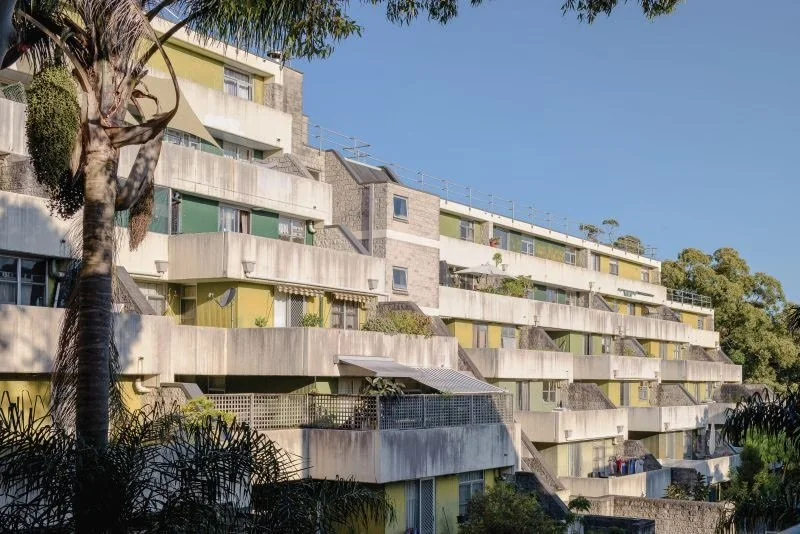
Designing Australia's Public Housing: Exhibition and Research Initiative
The report offers a series of principles to guide a new era of affordable and social housing in Australia, helping to shape future housing policy and investment through the lens of good design.

Girlpower: Design Solutions for an Equitable and Inclusive Future for Females in Sport
This report explores how design can actively support gender inclusion in sports through simple, cost-scalable architectural interventions. Focusing on the lived experiences of women and girls, the report investigates how built environments contribute to feelings of belonging, safety, and participation across key sporting codes and levels of facilities.
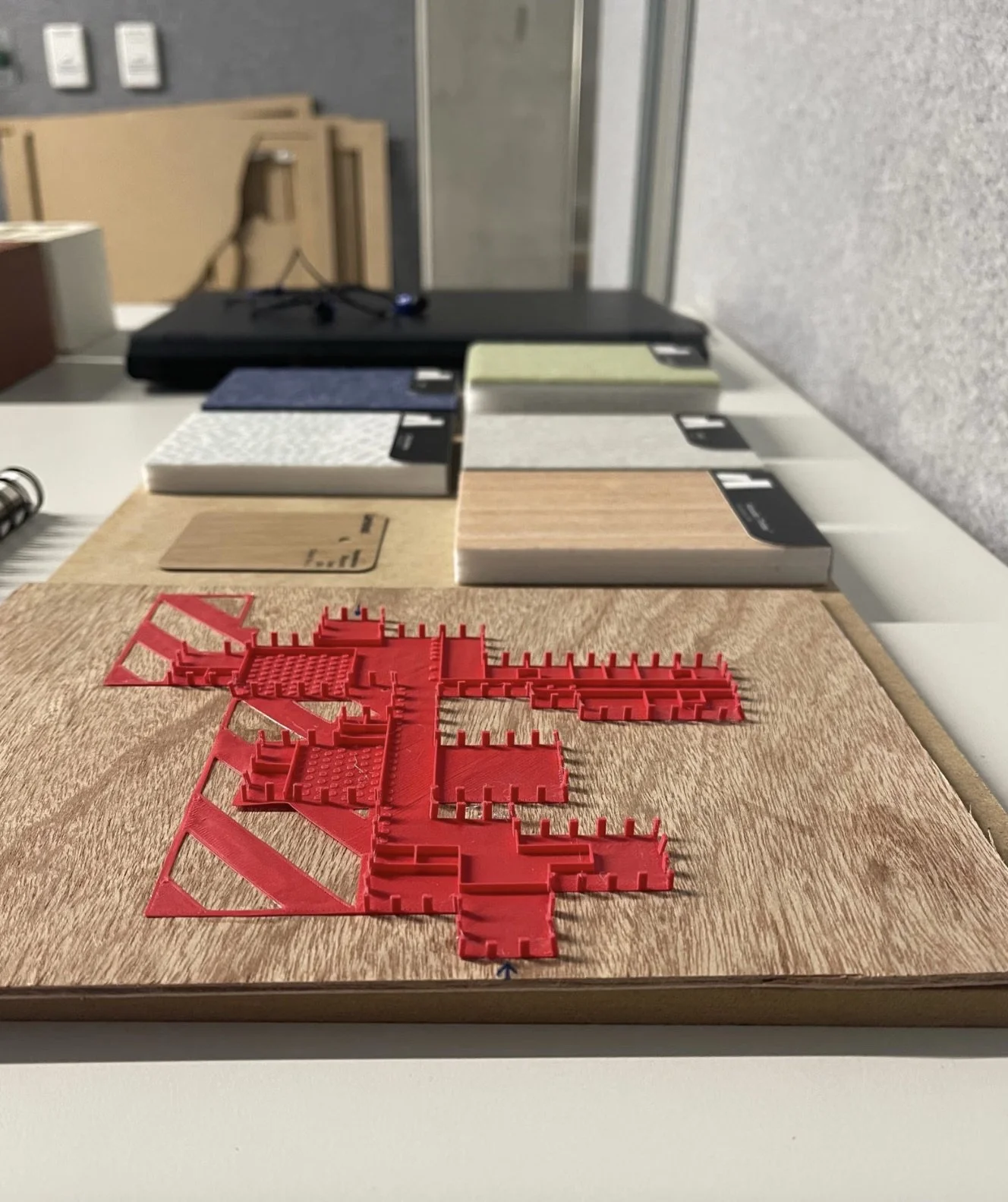
Empower by Design: Enabling Innovative Inclusion of Disabled People in Design
This report documents a novel and innovative design studio initiative at the Melbourne School of Design at the University of Melbourne that brought together architecture students and Intellectually Disabled people in a co-design process to challenge the exclusionary norms of built environment education and practice.
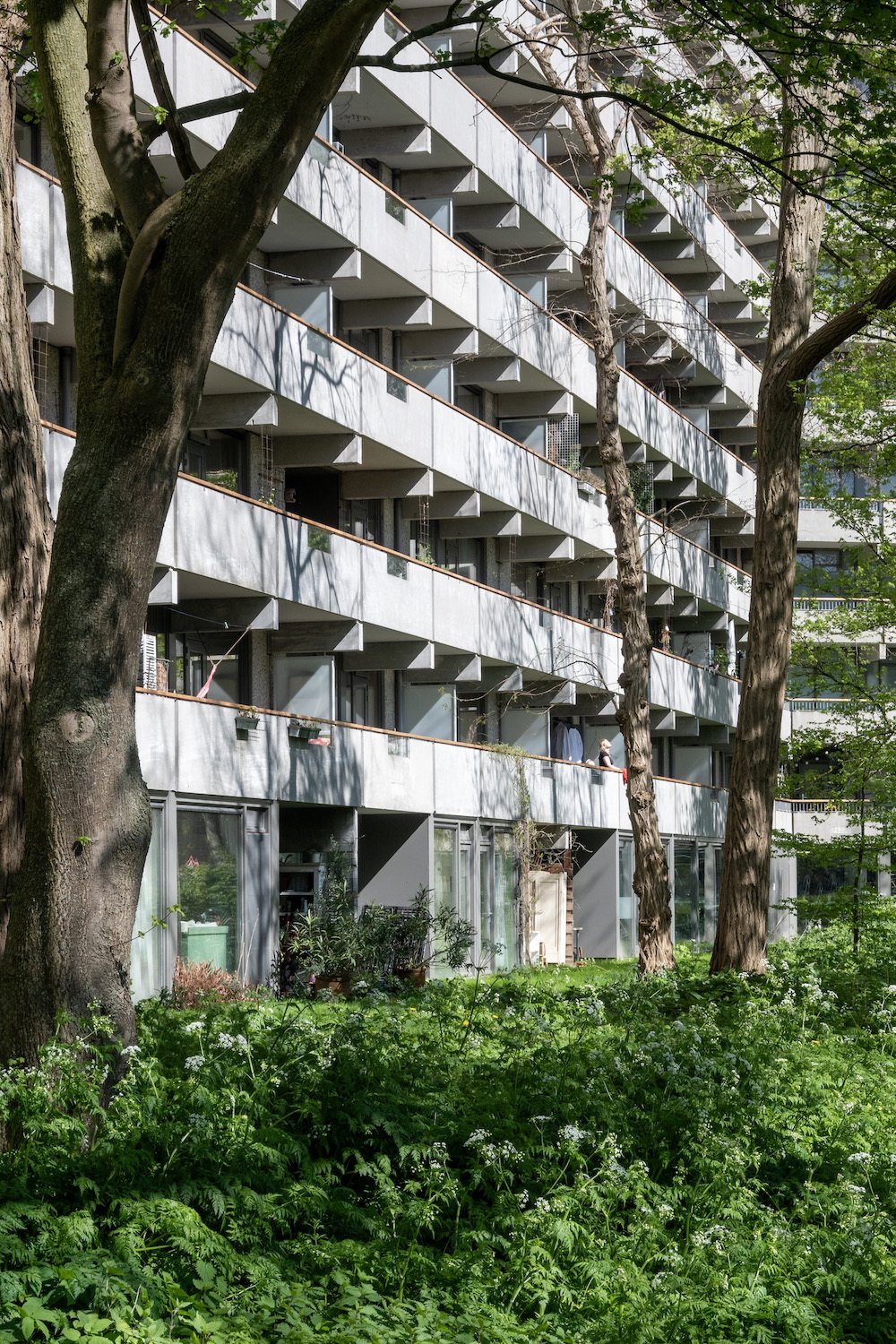
Retain, Repair, Reinvest: An International Catalogue of Precast Panel Refurbishment Projects
This is the first research report to compile a global catalogue of precast panel refurbishment projects, aiming to inspire a shift in how aging public housing stock is viewed and managed.
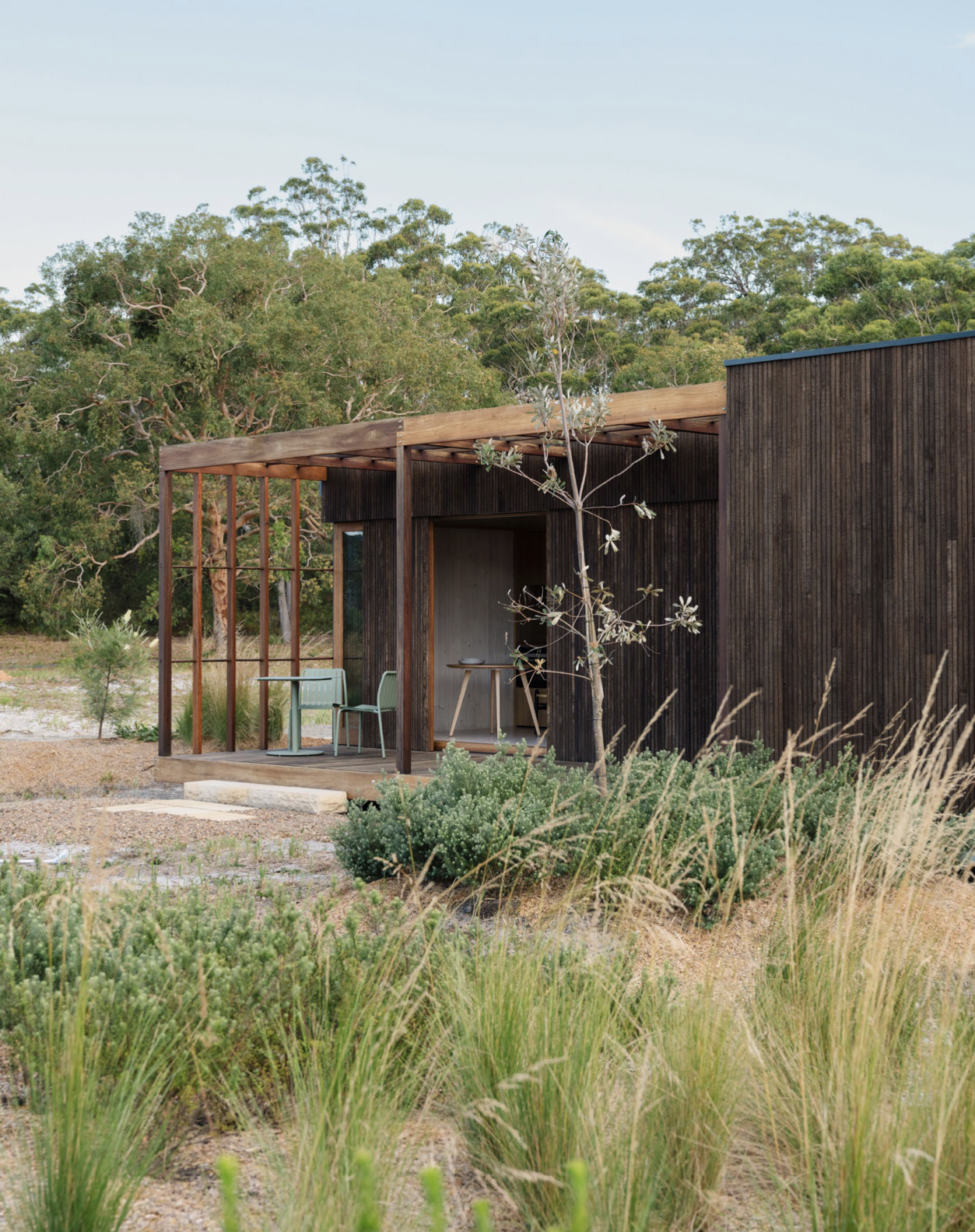
Little Experiments, Big Crises: Some Australian Prefab Houses Symposium
A discussion on recent prefabricated houses in Australia with Trias, Fabprefab, Archier, Candour, Otetto, Alexander Symes, Vokes and Peters, and Blok Modular. The symposium featured four thematic sessions—CLT, systems, sustainability, and stereotypes—moderated by USYD faculty.
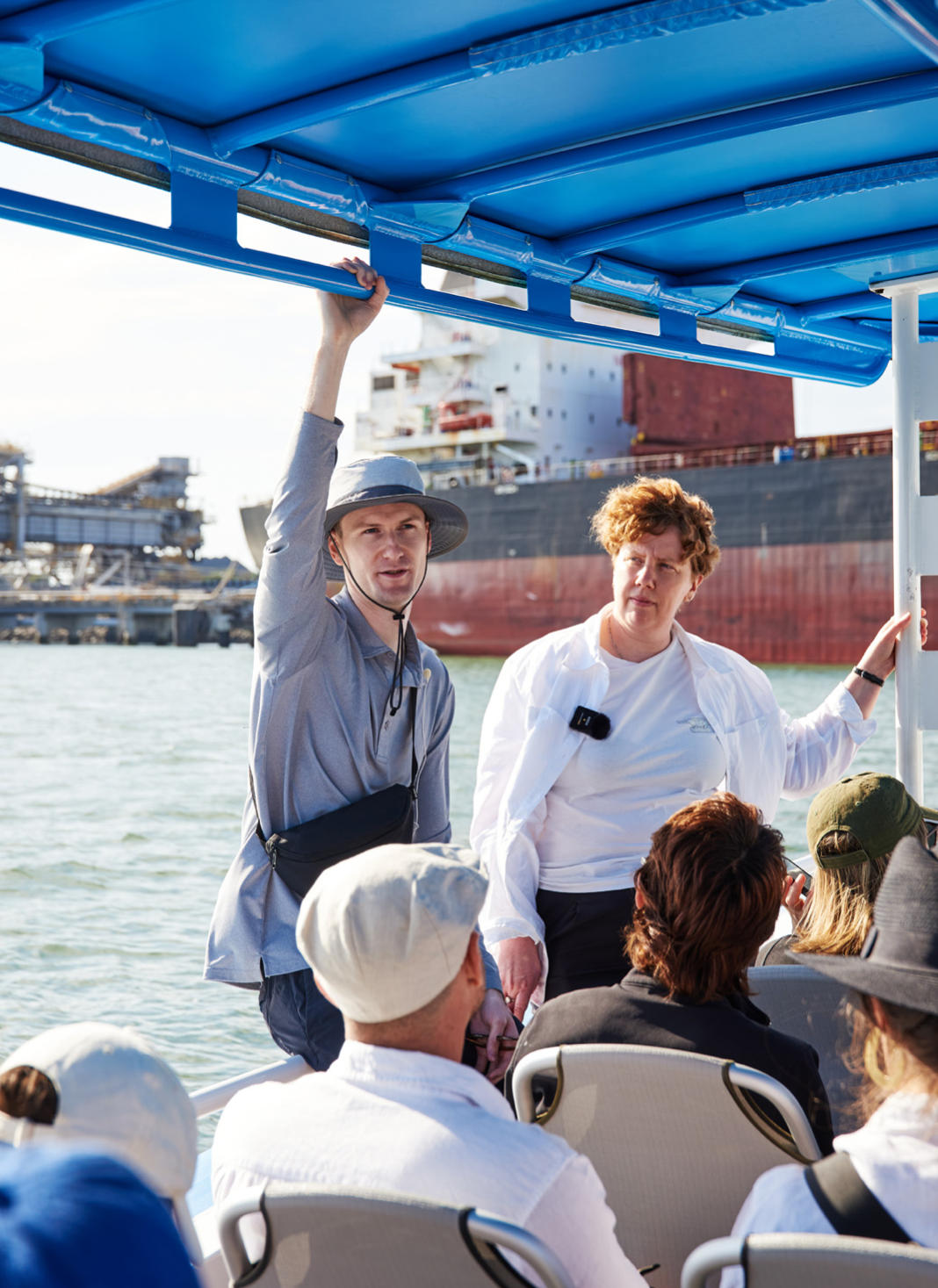
The Spoil Grounds: Waste Architectures in Infrastructures of Extraction
This project investigates the environmental and social impacts of dredging in the Port of Newcastle and the Hunter estuary system. Led by researcher Therese Keogh, it explores "waste architectures" - landscapes formed by industrial by-products - and brings together designers, artists, and researchers to critically examine the effects of extraction.
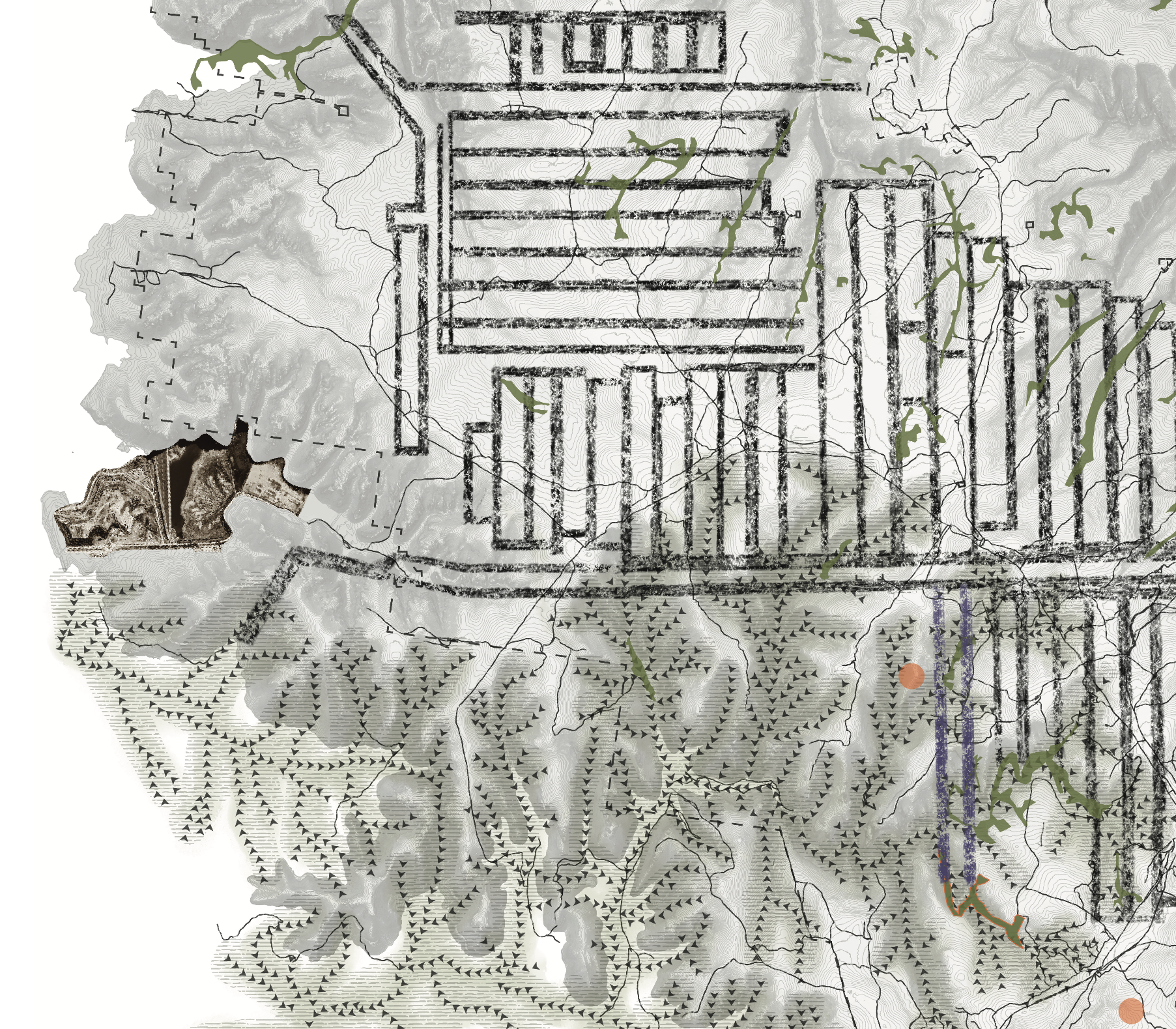
Mapping the Hanging Swamps of the Blue Mountains: An Atlas of the Hanging Swamps of the Blue Mountains
A research project conducted from August to October 2023 to document and enhance the understanding of the unique hanging swamp ecosystems in the Blue Mountains, particularly those near urban areas.
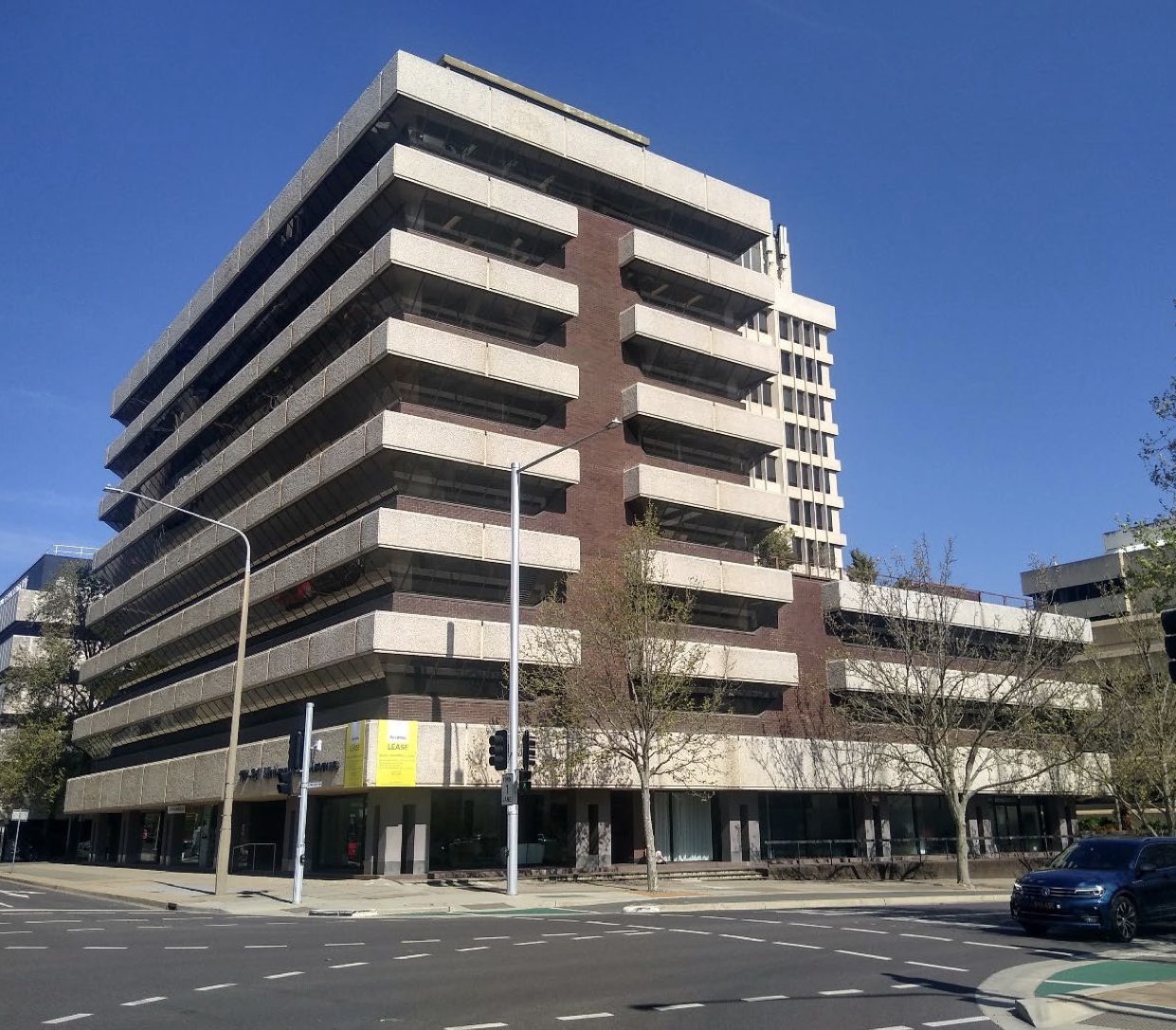
Adaptive Reuse and Canberra: How does the application of adaptive reuse of commercial office buildings for residential purposes fit into Canberra’s urban planning goals for 2030?
In Canberra, adaptive reuse has been applied to museums, galleries, hotels, and student accommodation, primarily through interior modifications. However, office-to-residential conversions remain rare due to strict building regulations, and no such projects exist in the Canberra CBD, despite its potential.