
Swayn Open Research
The Alastair Swayn Foundation is committed to information sharing and transparency of the research it funds. We believe that research supported by the Foundation should be made discoverable and readily accessible online. The Swayn Open Research repository provides a place for researchers to promptly have their findings published on an open access basis, to benefit the architecture and design community.
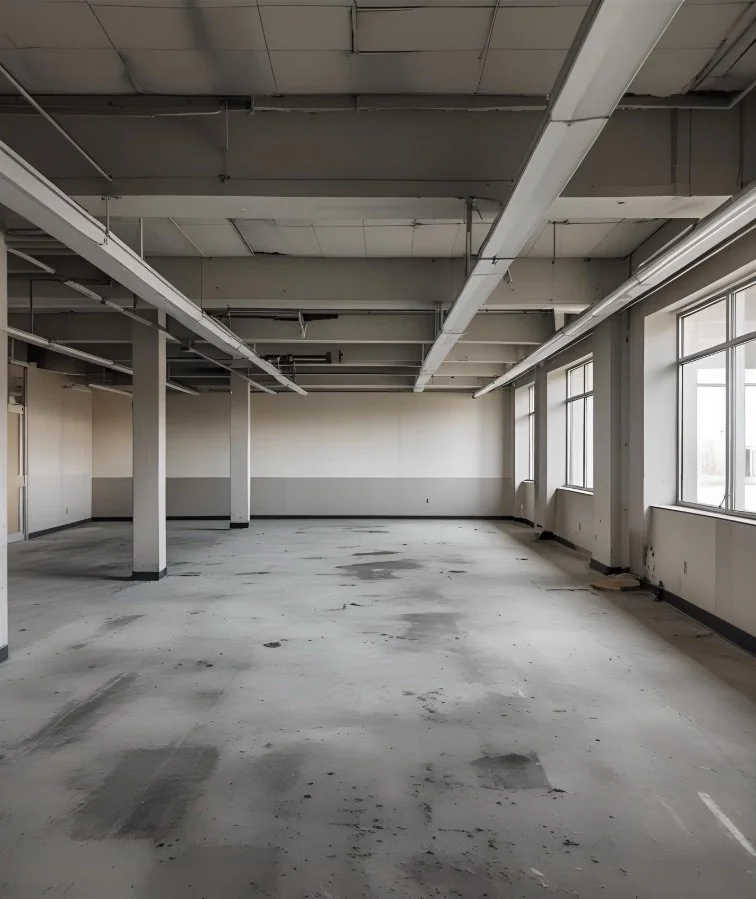
Home Office: Feasibility of Housing in Vacant Commercial Office Buildings of Sydney
What if Sydney’s empty office towers could hold the key to solving its housing affordability crisis? This research investigates how underused commercial buildings can be cost-effectively transformed into high-quality, flexible affordable housing.
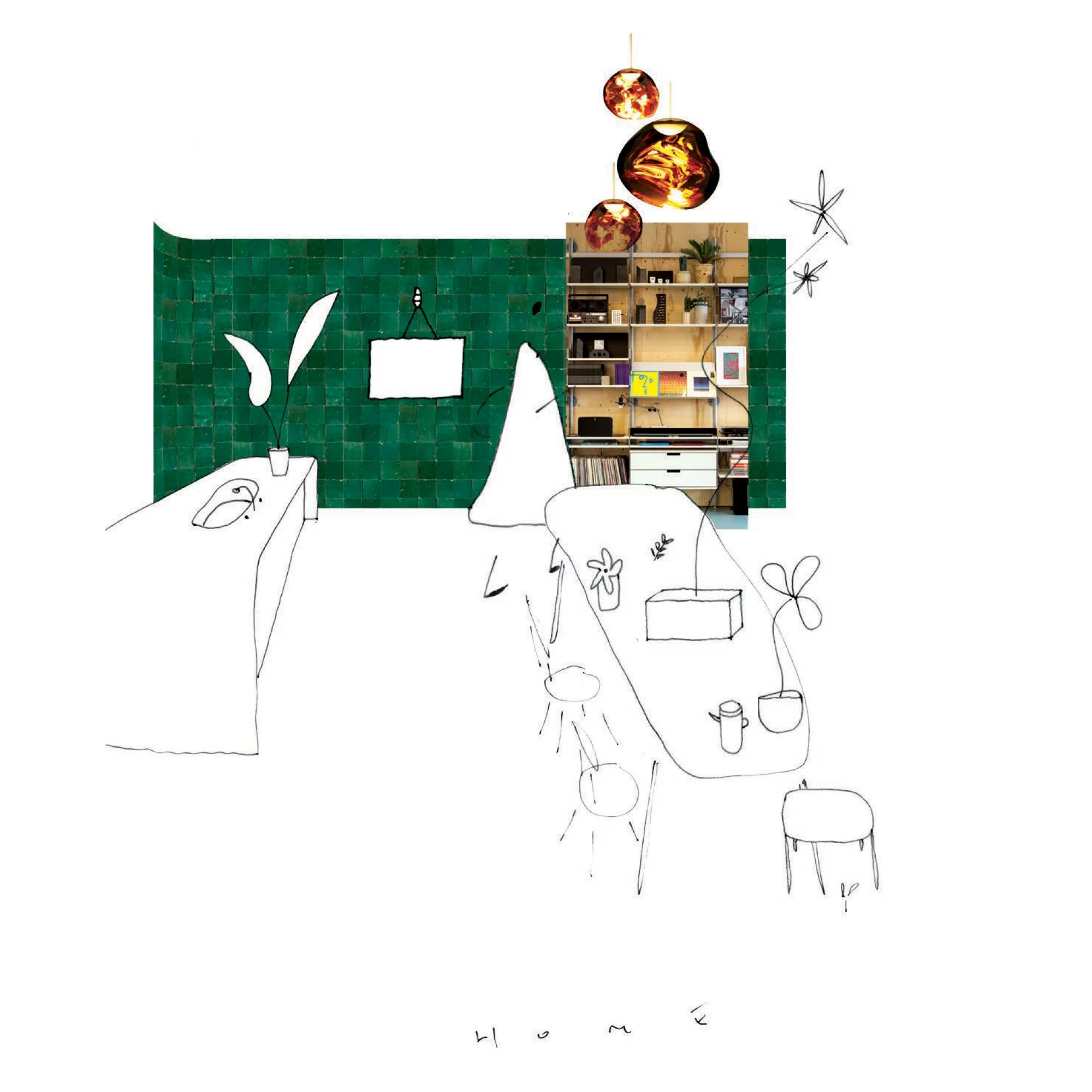
A Home, Not Housing: Empowering Women Through Co-design for a Good-Home Design Blueprint
This report responds to the critical shortage of social and affordable housing in Australia, where over 800,000 people live in 436,300 dwellings - 62% of whom are women.
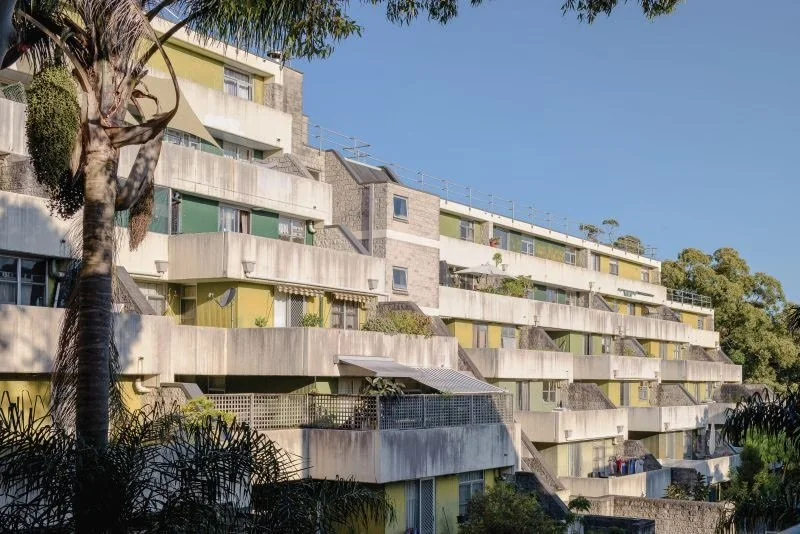
Designing Australia's Public Housing: Exhibition and Research Initiative
The report offers a series of principles to guide a new era of affordable and social housing in Australia, helping to shape future housing policy and investment through the lens of good design.

Girlpower: Design Solutions for an Equitable and Inclusive Future for Females in Sport
This report explores how design can actively support gender inclusion in sports through simple, cost-scalable architectural interventions. Focusing on the lived experiences of women and girls, the report investigates how built environments contribute to feelings of belonging, safety, and participation across key sporting codes and levels of facilities.
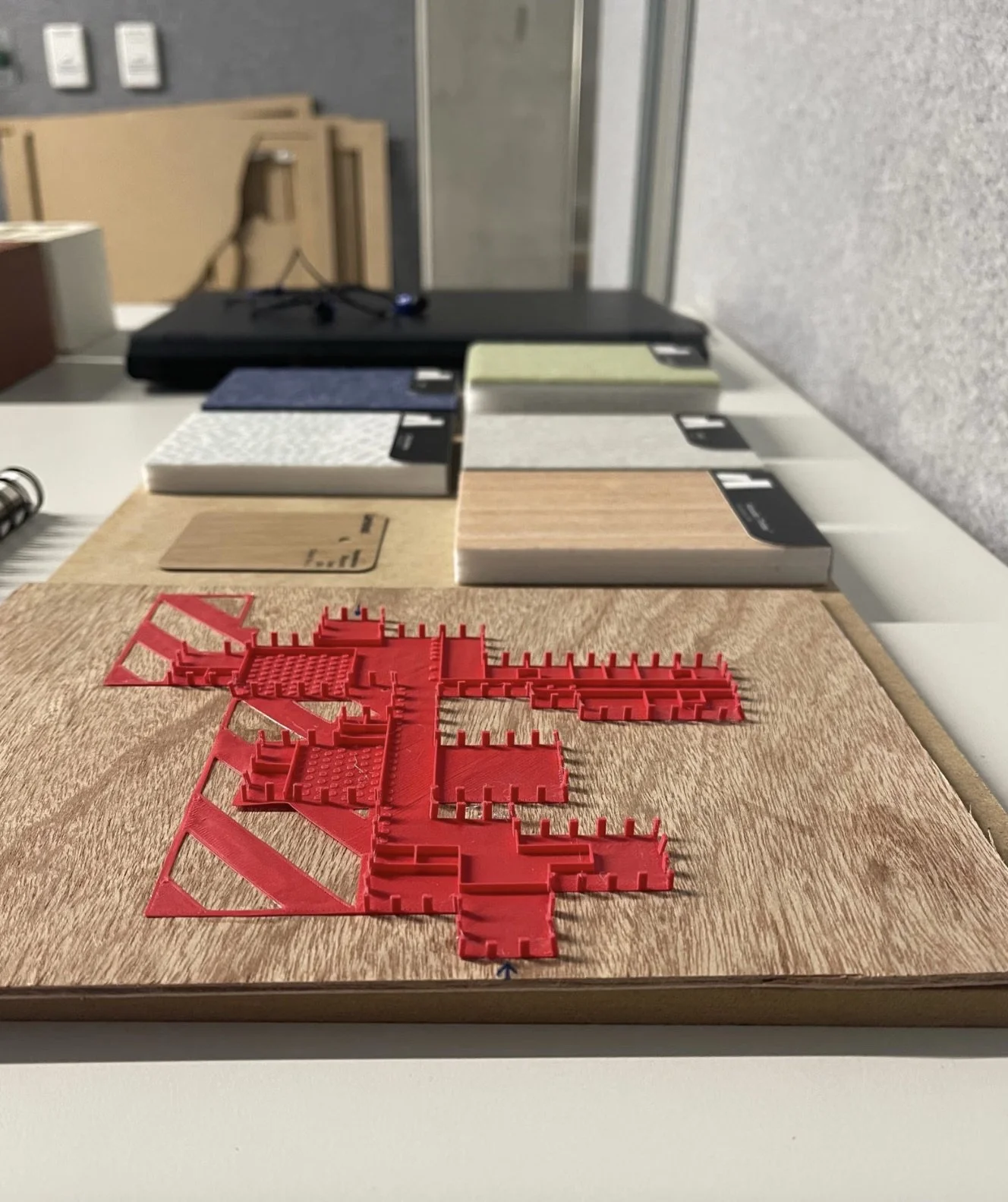
Empower by Design: Enabling Innovative Inclusion of Disabled People in Design
This report documents a novel and innovative design studio initiative at the Melbourne School of Design at the University of Melbourne that brought together architecture students and Intellectually Disabled people in a co-design process to challenge the exclusionary norms of built environment education and practice.
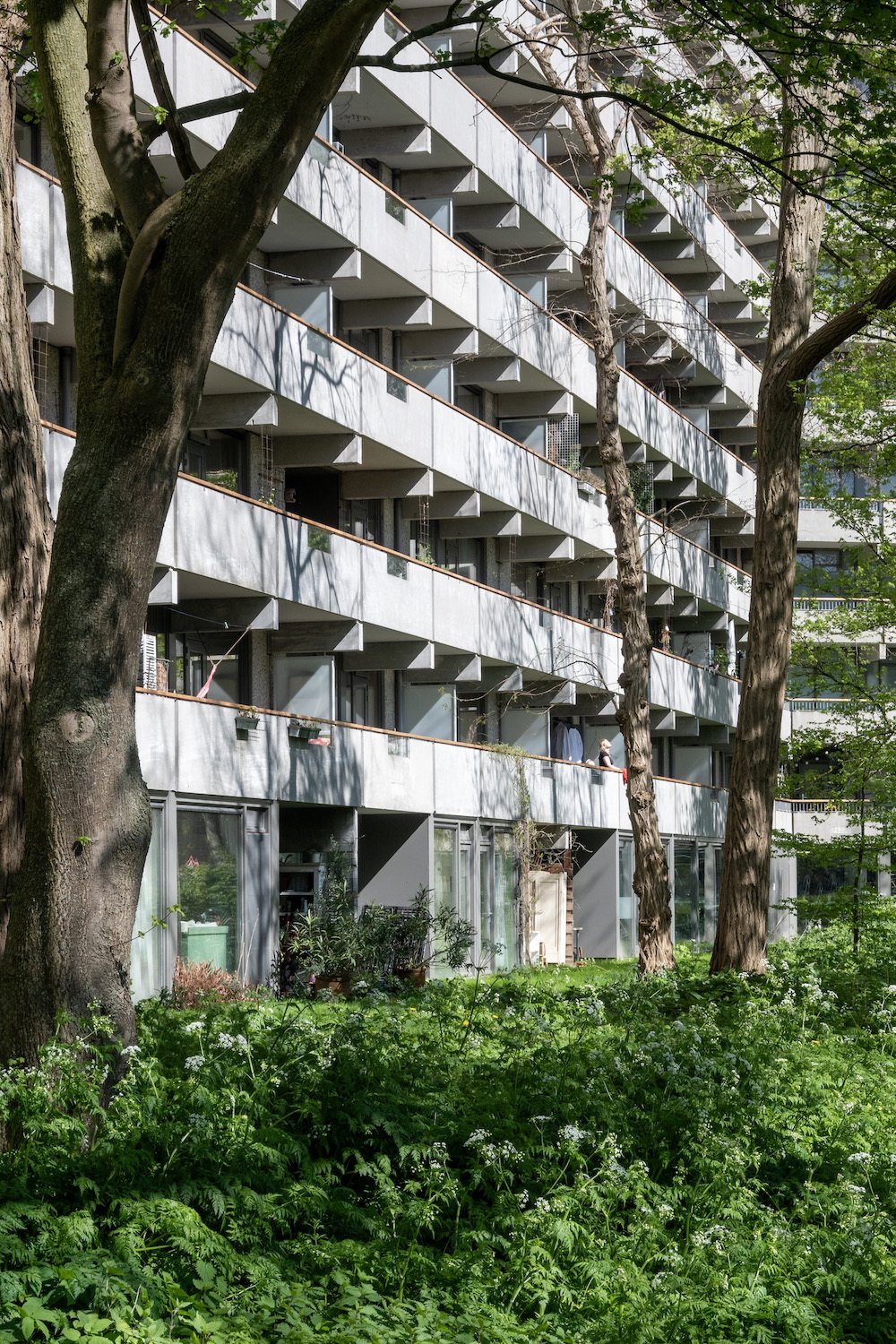
Retain, Repair, Reinvest: An International Catalogue of Precast Panel Refurbishment Projects
This is the first research report to compile a global catalogue of precast panel refurbishment projects, aiming to inspire a shift in how aging public housing stock is viewed and managed.
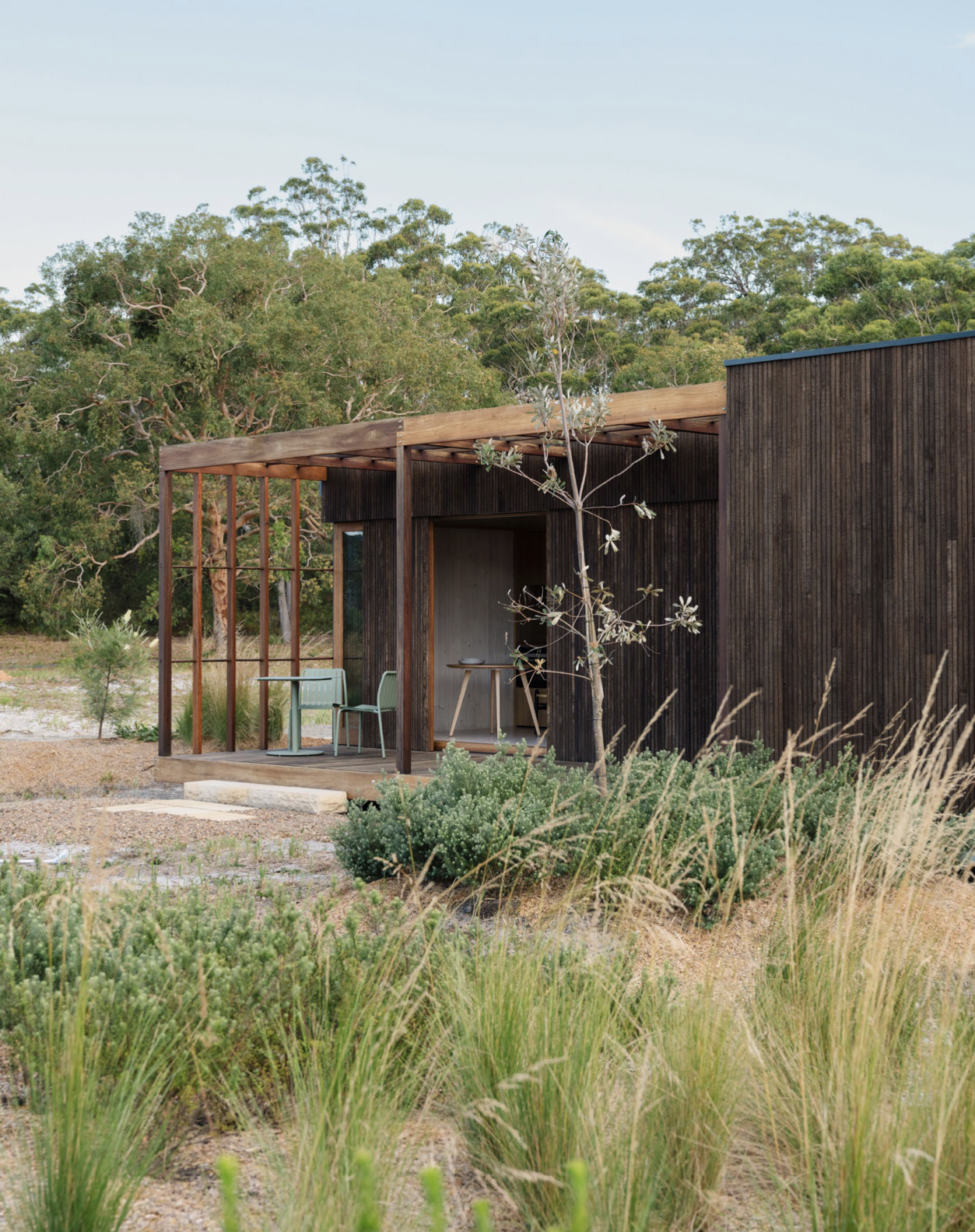
Little Experiments, Big Crises: Some Australian Prefab Houses Symposium
A discussion on recent prefabricated houses in Australia with Trias, Fabprefab, Archier, Candour, Otetto, Alexander Symes, Vokes and Peters, and Blok Modular. The symposium featured four thematic sessions—CLT, systems, sustainability, and stereotypes—moderated by USYD faculty.
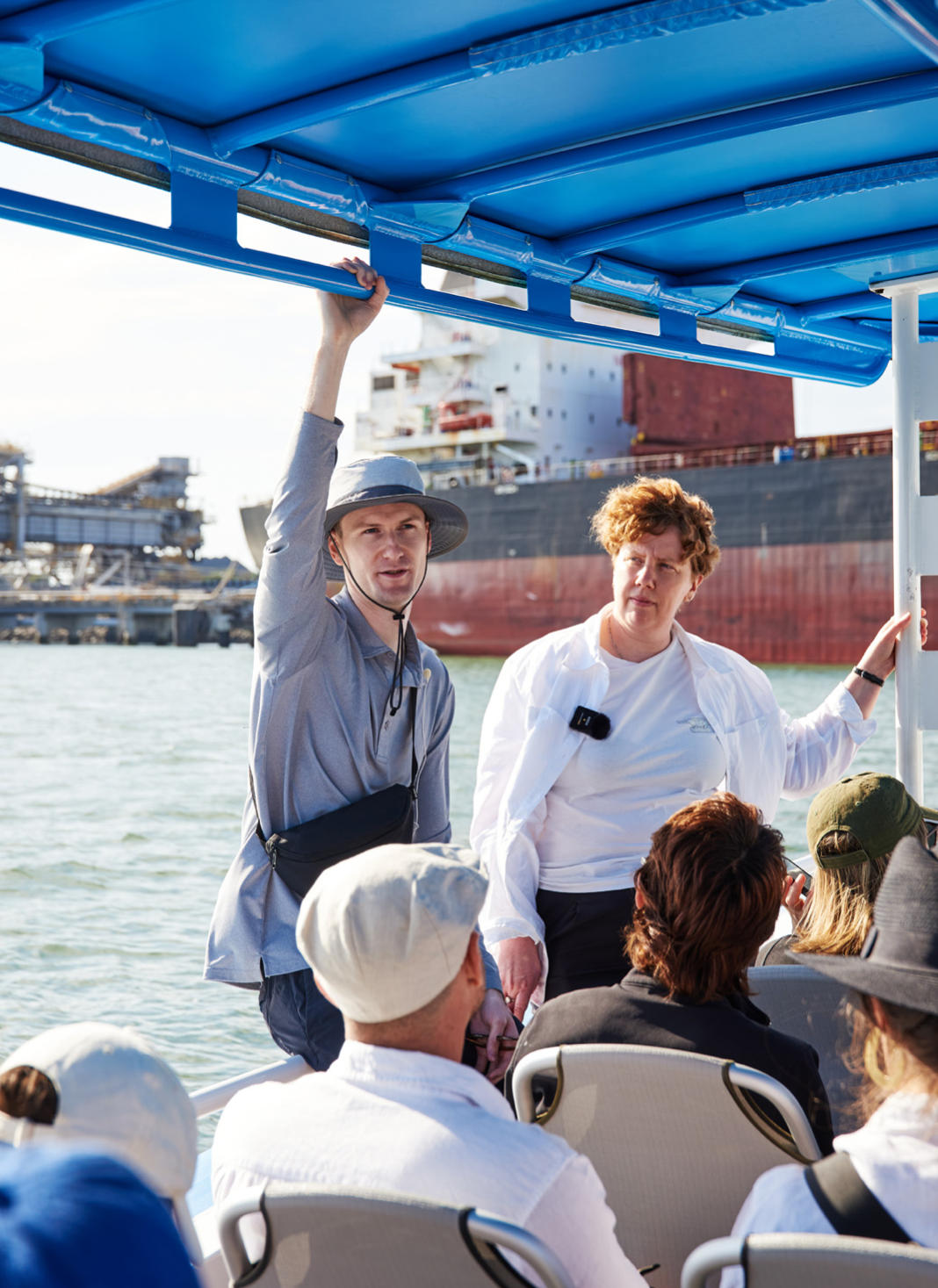
The Spoil Grounds: Waste Architectures in Infrastructures of Extraction
This project investigates the environmental and social impacts of dredging in the Port of Newcastle and the Hunter estuary system. Led by researcher Therese Keogh, it explores "waste architectures" - landscapes formed by industrial by-products - and brings together designers, artists, and researchers to critically examine the effects of extraction.
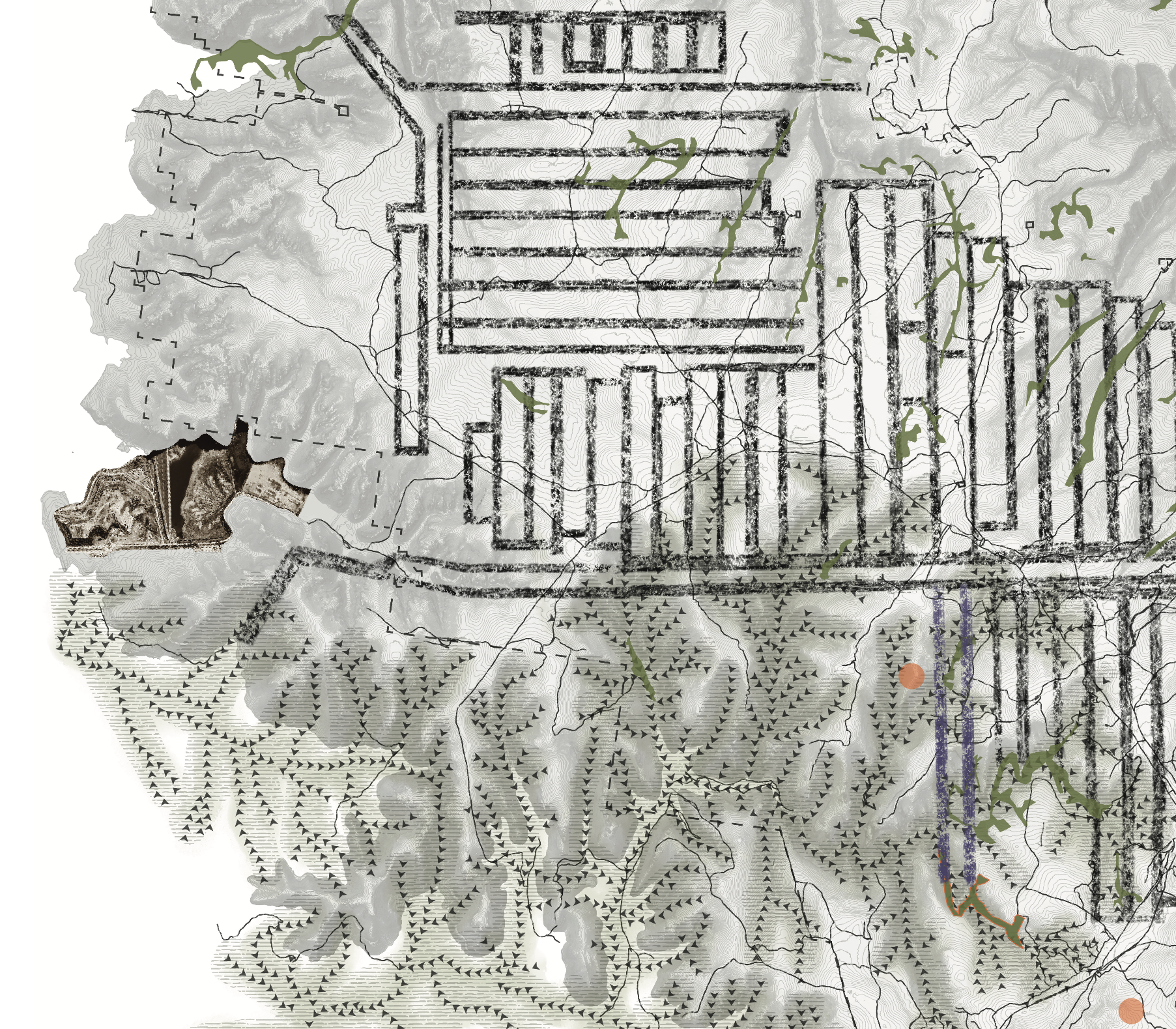
Mapping the Hanging Swamps of the Blue Mountains: An Atlas of the Hanging Swamps of the Blue Mountains
A research project conducted from August to October 2023 to document and enhance the understanding of the unique hanging swamp ecosystems in the Blue Mountains, particularly those near urban areas.
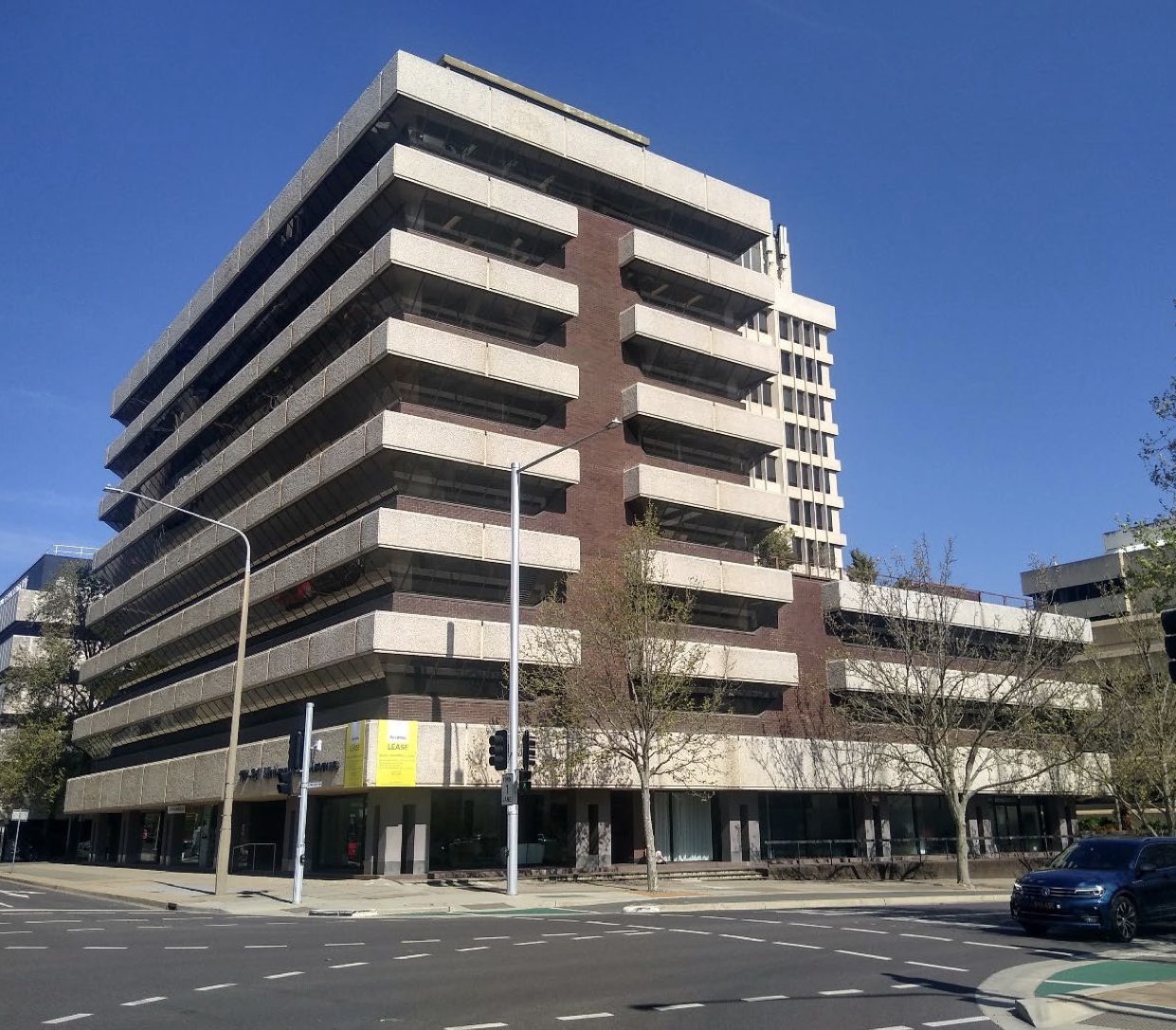
Adaptive Reuse and Canberra: How does the application of adaptive reuse of commercial office buildings for residential purposes fit into Canberra’s urban planning goals for 2030?
In Canberra, adaptive reuse has been applied to museums, galleries, hotels, and student accommodation, primarily through interior modifications. However, office-to-residential conversions remain rare due to strict building regulations, and no such projects exist in the Canberra CBD, despite its potential.
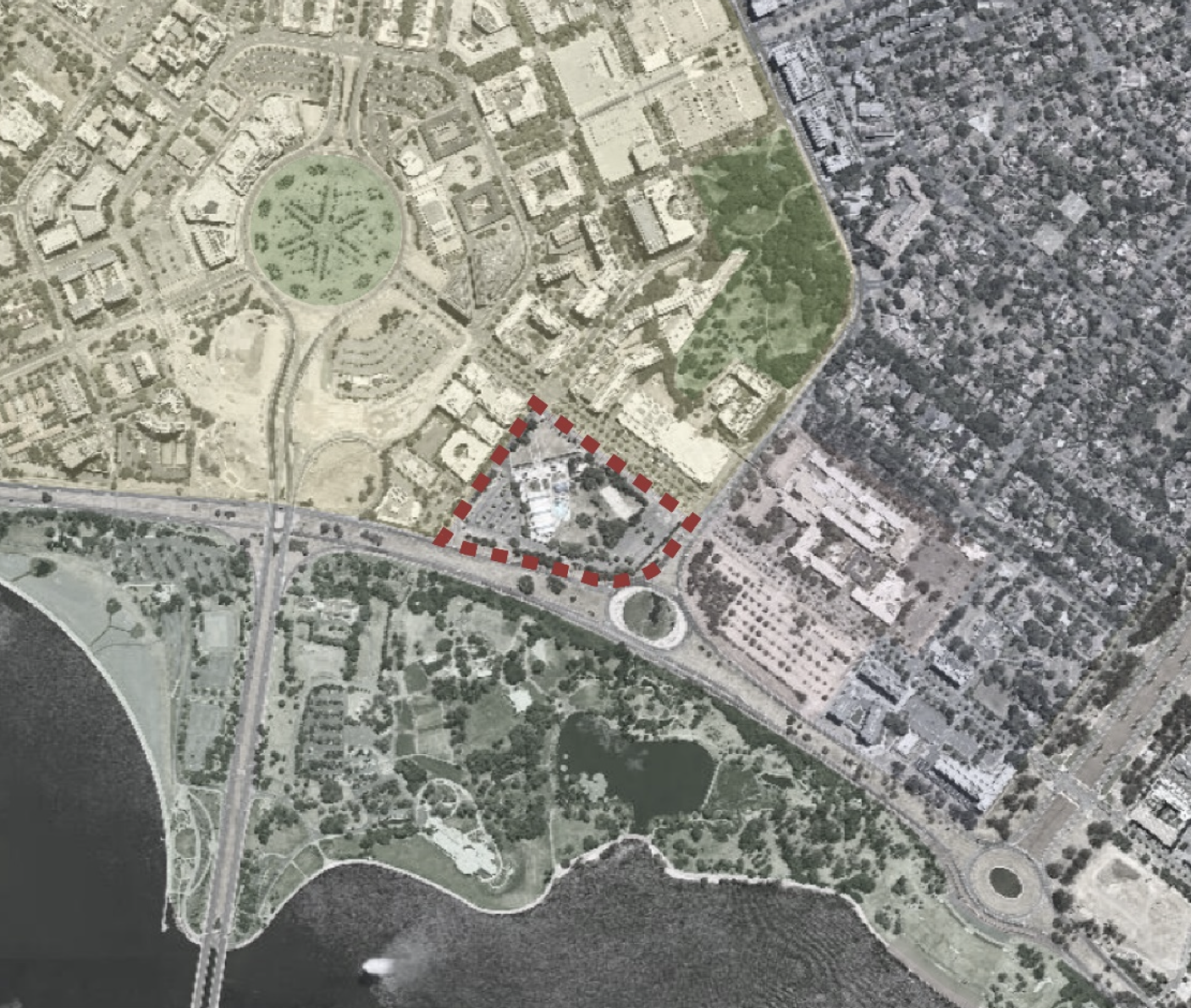
Beyond the Traditional Stadium: Strengthening the Relationship Between the Stadium and the City
This research challenges the conventional view of stadia as single-purpose spaces, exploring how hybrid stadium adaptations can foster a stronger connection with the city. By examining the potential for 24-hour functionality, this study aims to inform government and built environment professionals on designing multi-use stadiums that enhance Canberra’s urban landscape.
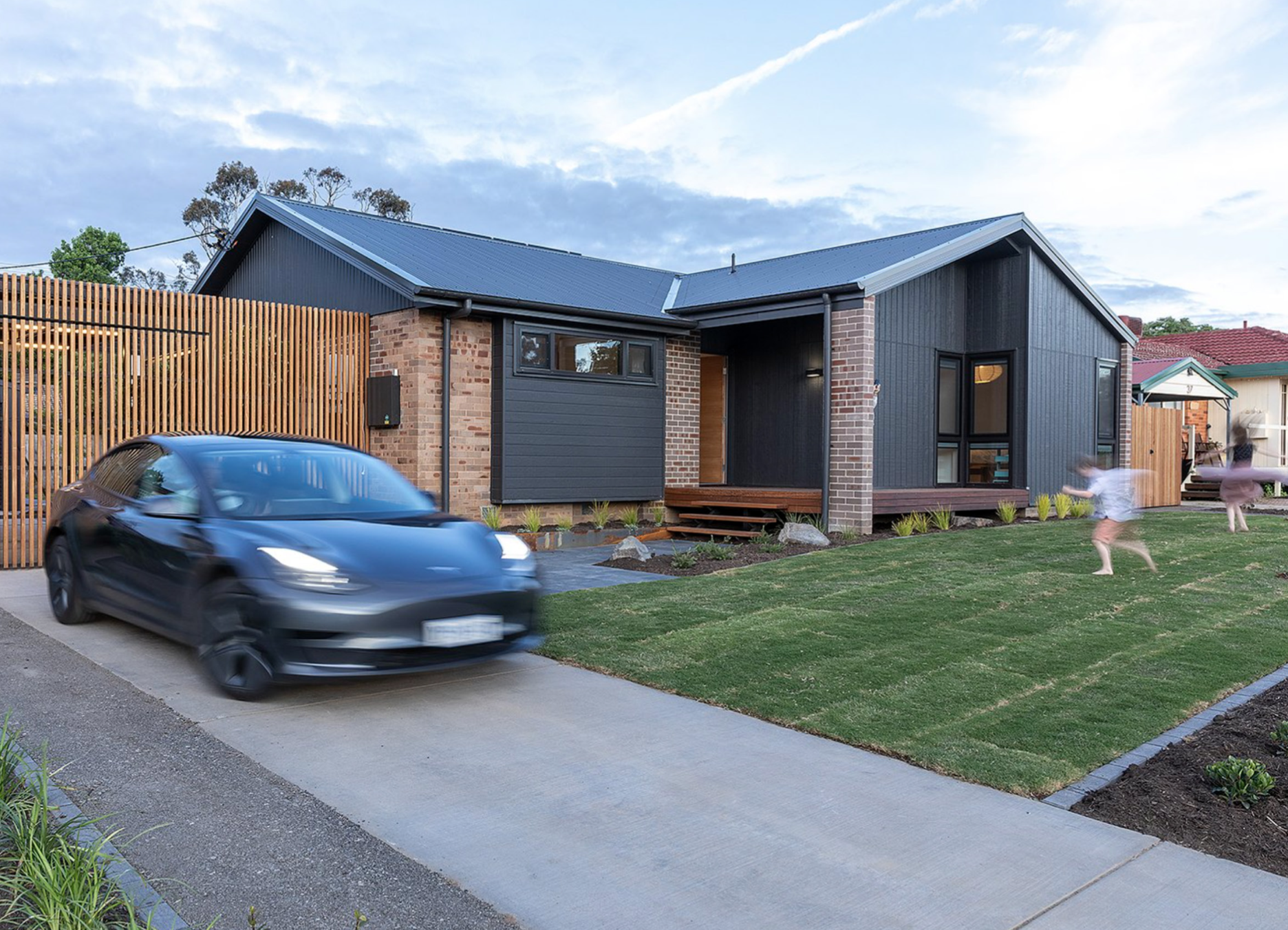
Retuning the Ex Govie: A guide to renovation and extension of the Canberra 400 series ex government houses
As the city evolves, so do its housing needs. While ex-govies played a vital role in housing and community development in the 1960s, they are increasingly becoming outdated. This research explores three major housing challenges facing Canberra today, along with three specific challenges unique to ex-govies.
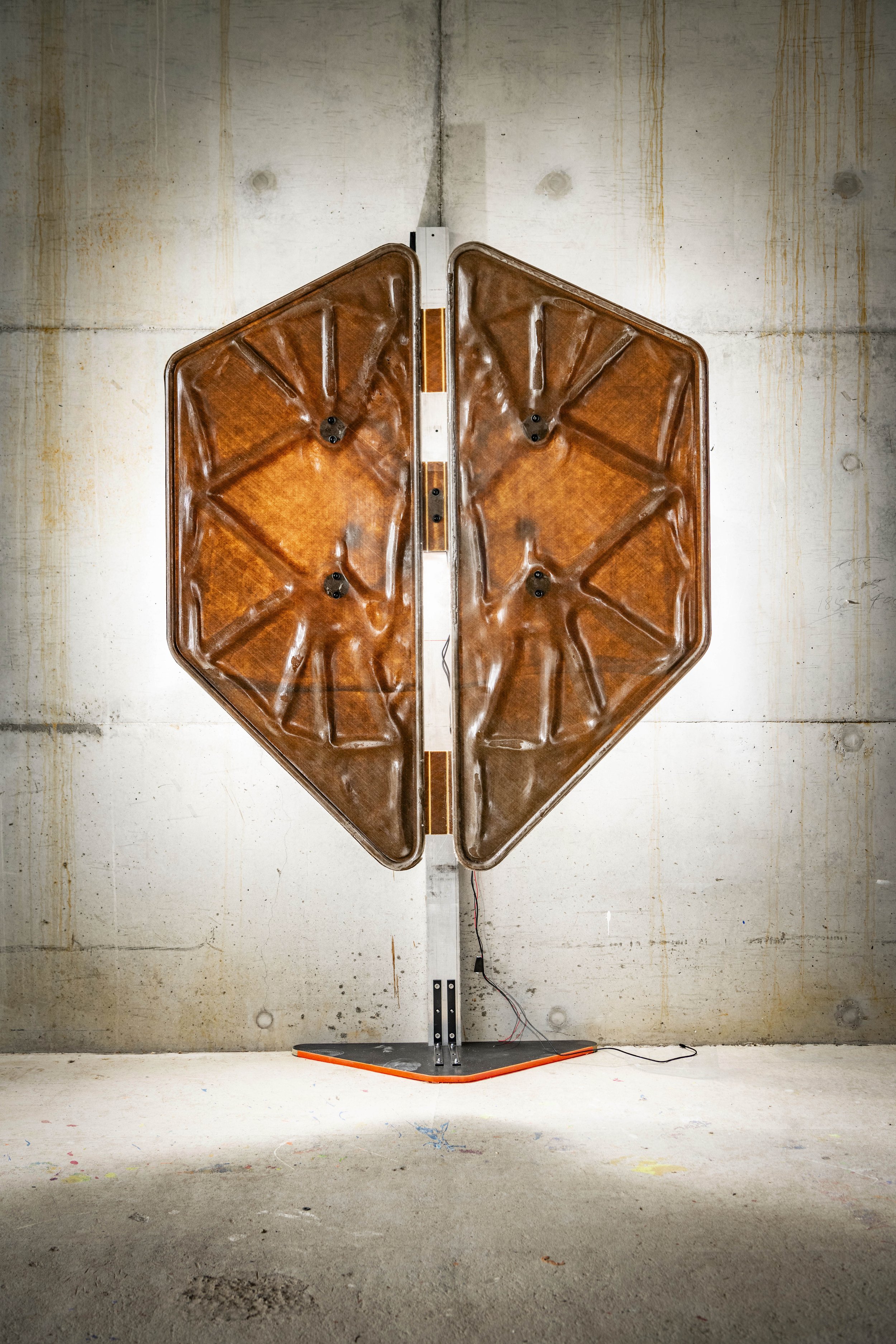
Second Skin (aka. FlaxWing): Exploring bioclimatic wrapping for climate-resilient housing in Australia
Second Skin (aka. FlaxWing) is a research project that focuses on the possibilities of a more climate responsive architectural approach. Via concepts of adaptation, we consider the social and technical reuse of existing building stock; the transformation of prevailing construction practices via the uptake of bio-based and low-carbon building materials; and the very adaptation of buildings themselves in response to environmental and occupant influences enacted via cyber-physical systems.
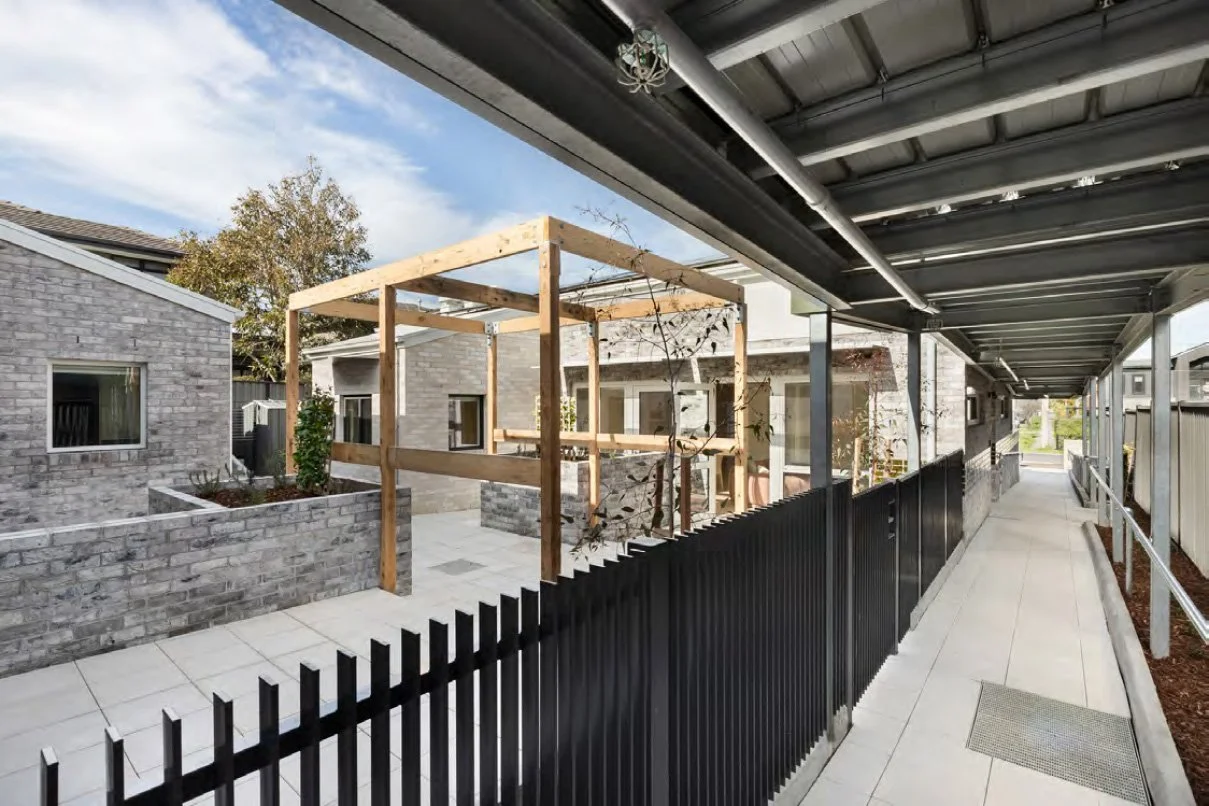
Towards an Ethic of Care: Designing and delivering alternative housing models
This research uses a case study approach to undertake a ‘deep dive’ into innovative and exemplary housing projects. The interviews and case studies identified nine key insights relevant to the entire design and delivery process, from housing policy, through to the ongoing operation and maintenance of buildings.