
Swayn Open Research
The Alastair Swayn Foundation is committed to information sharing and transparency of the research it funds. We believe that research supported by the Foundation should be made discoverable and readily accessible online. The Swayn Open Research repository provides a place for researchers to promptly have their findings published on an open access basis, to benefit the architecture and design community.
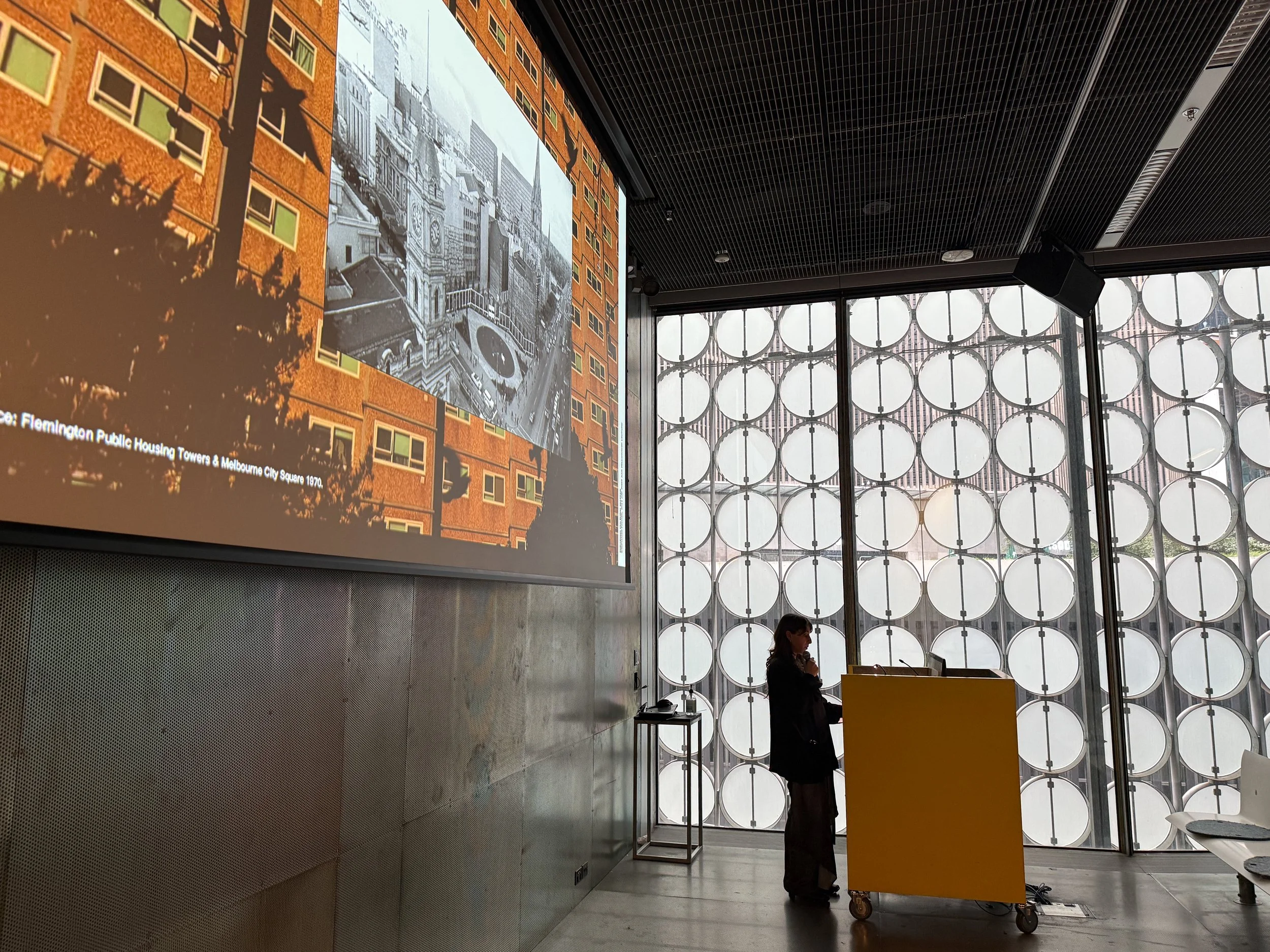
Enduring Cultural Matter: Architectural materials are never neutral
Drawing from her residency at the American Academy in Rome, Stephanie explored material reuse not just as a design strategy, but as a cultural act. Through the lens of spolia - the reuse of fragments from existing structures - she traced how materials can carry memory, labour, and meaning across time, from the travertine quarries of Tivoli to the basalt plains of Western Victoria.
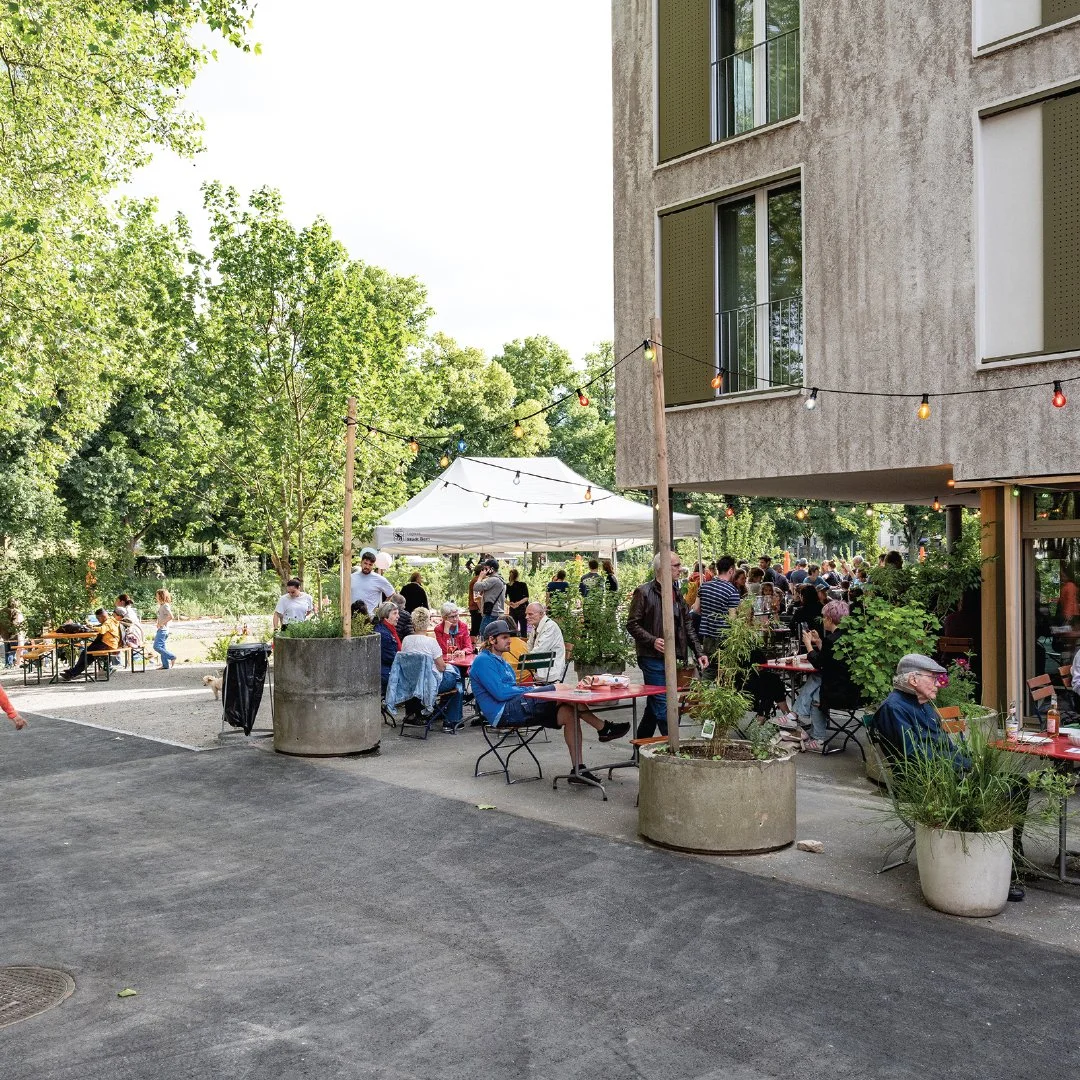
Living Together: Five European Studies
A research project examining five exemplary medium‑density, high‑quality housing case studies in Europe and the UK. They show how land, social capital, and amenities are shared and how design promotes sustainable performance and social connection.
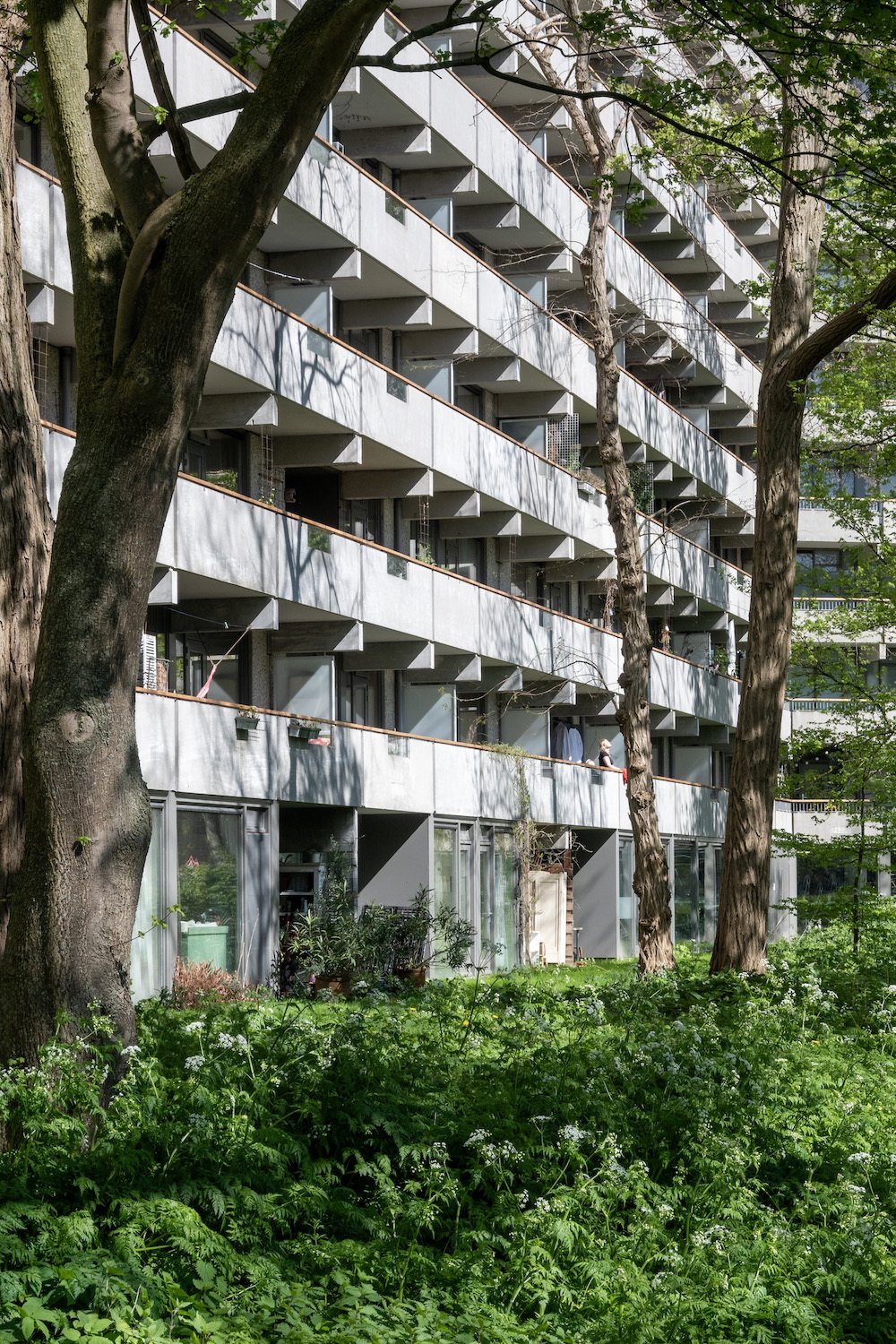
Retain, Repair, Reinvest: An International Catalogue of Precast Panel Refurbishment Projects
This is the first research report to compile a global catalogue of precast panel refurbishment projects, aiming to inspire a shift in how aging public housing stock is viewed and managed.
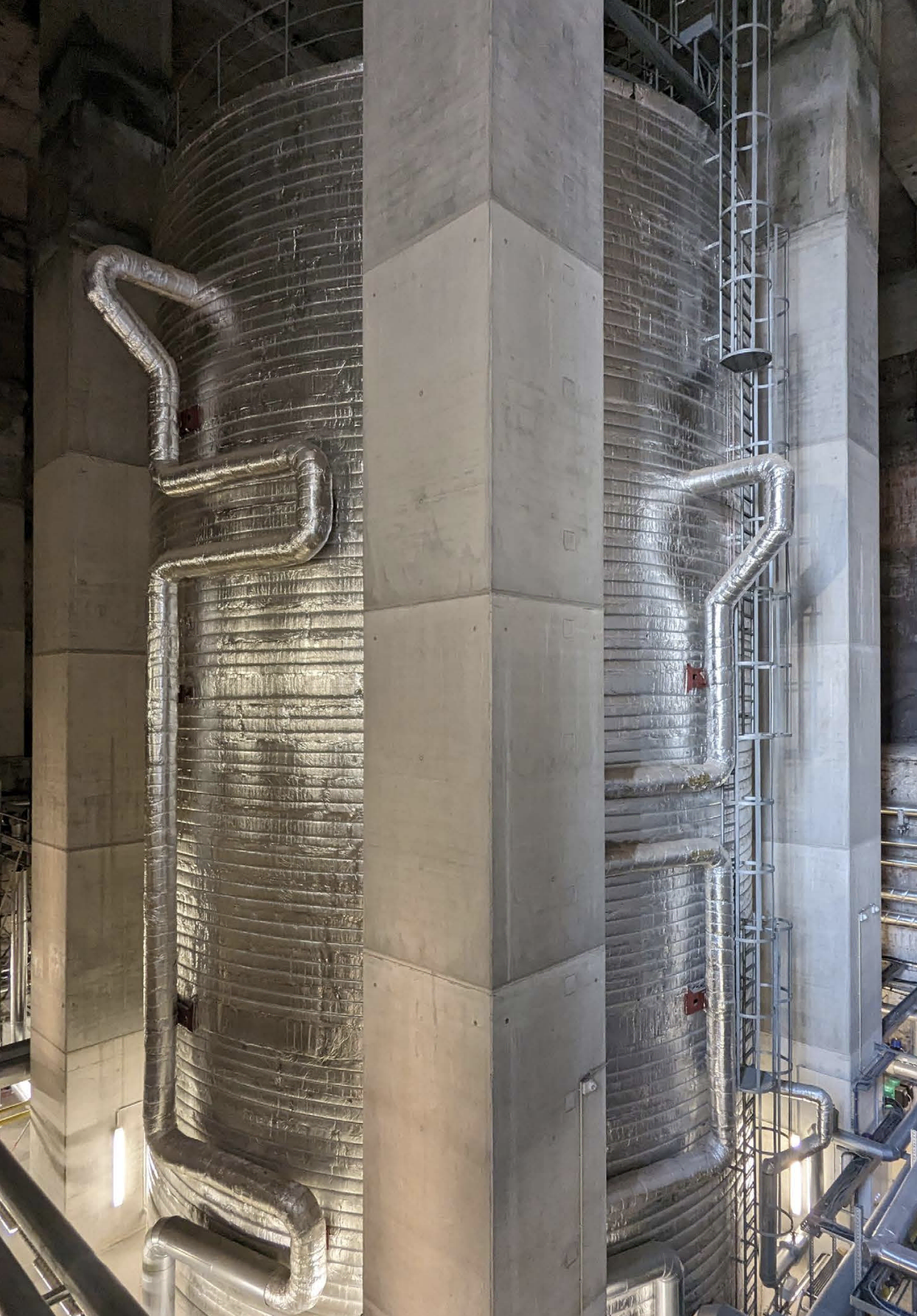
Notes from a finite world: A study of post-carbon paradigms for architecture
This report surveys exemplar projects and practices – divided into three categories, Energy, Waste, and Materials – from across Northern Europe (in member-countries of the European Union) where decarbonisation initiatives are being funded and implemented at different scales and time-frames to that of Australia.
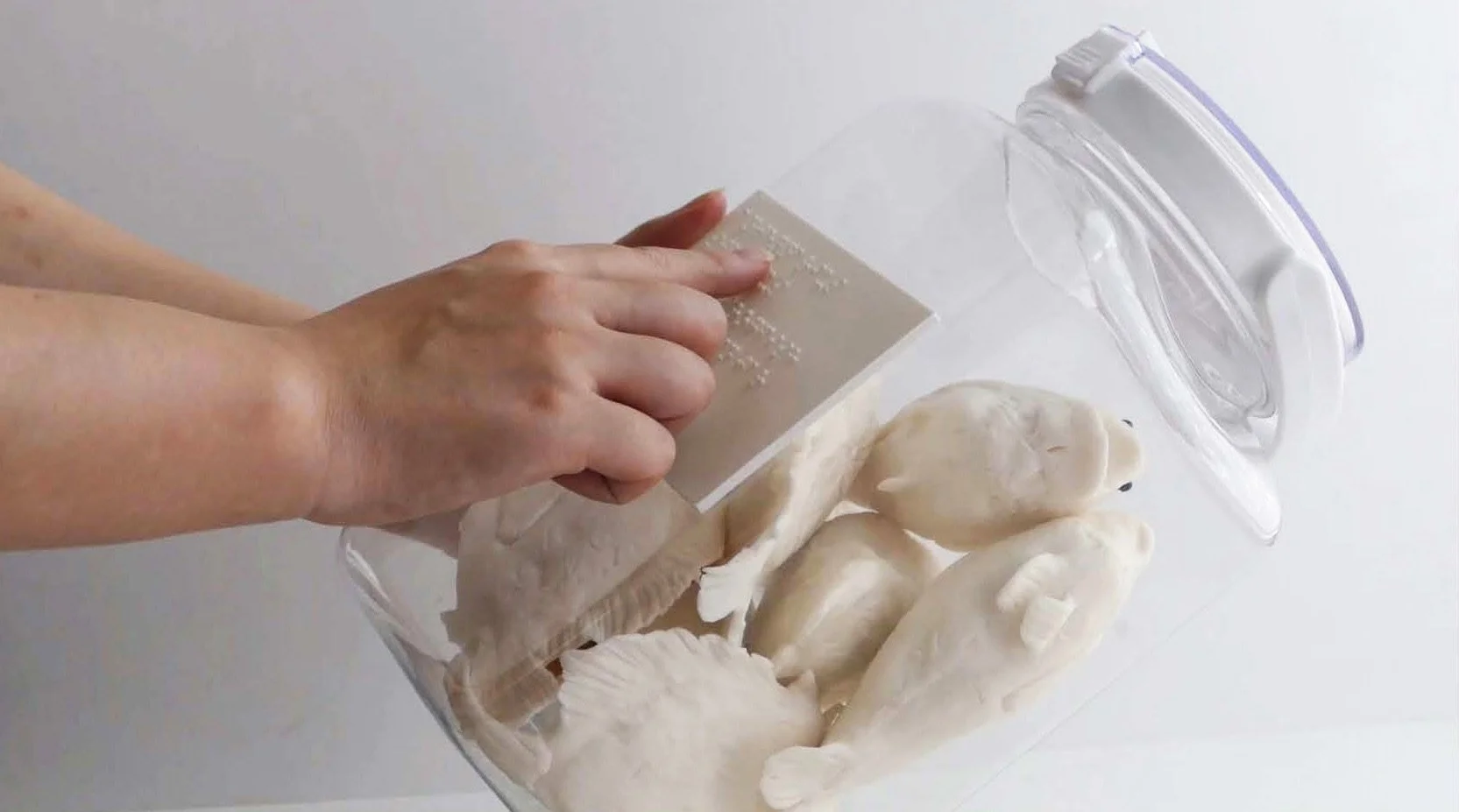
Museum for Touch: Towards Object Based Learning and Accessible Museums for Blind and Low Vision Children and Adults
Museums protect artworks and artifacts behind glass, making them inaccessible to blind and low-vision visitors. This research proposes designing touch models to make cultural narratives and knowledge accessible to all.