Museum for Touch: Towards Object Based Learning and Accessible Museums for Blind and Low Vision Children and Adults
Researcher
Dagmar Reinhardt
Published
20 August 2024
Funding
International Grant
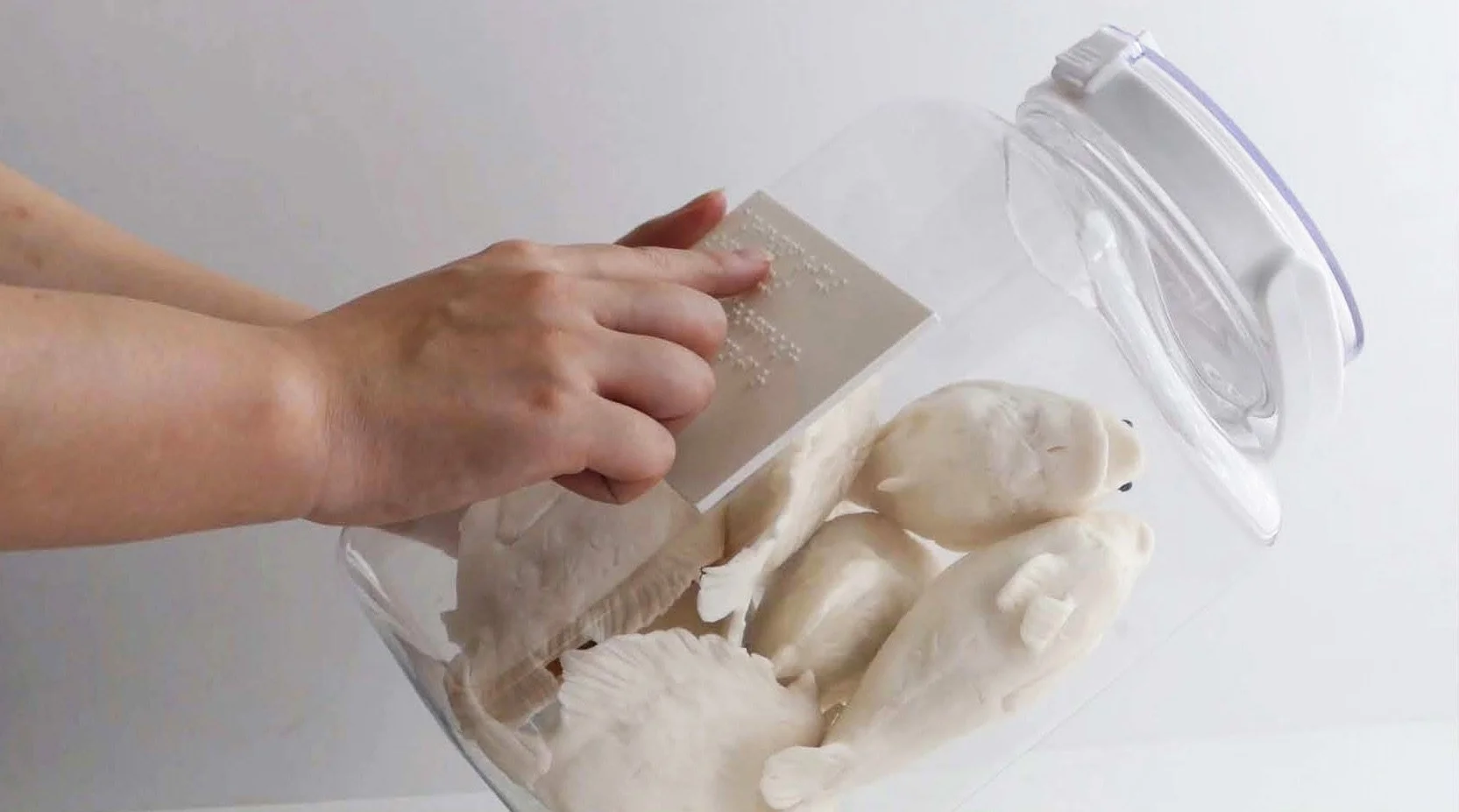
Museums protect artworks and artifacts behind glass, making them inaccessible to blind and low-vision visitors. This research proposes designing touch models to make cultural narratives and knowledge accessible to all.
Dagmar Reinhardt and the team are comprised of teachers for the Blind and Partially Sighted; museum curators and object-based learning teachers; designers for tactile media; architects and designers with expertise in computational design, data capture, advanced manufacturing; designers for spatial maps and 3D touch access objects; and users from the BLV community.
Their research work focuses on Object-Based Learning (OBL) and touch access for the Blind and Partially Sighted and BLV audiences. Jane Thogersen and Eve Guerry are leading the Object Based Learning section of the recently opened Chau Chak Wing Museum of The University of Sydney (in 2020).
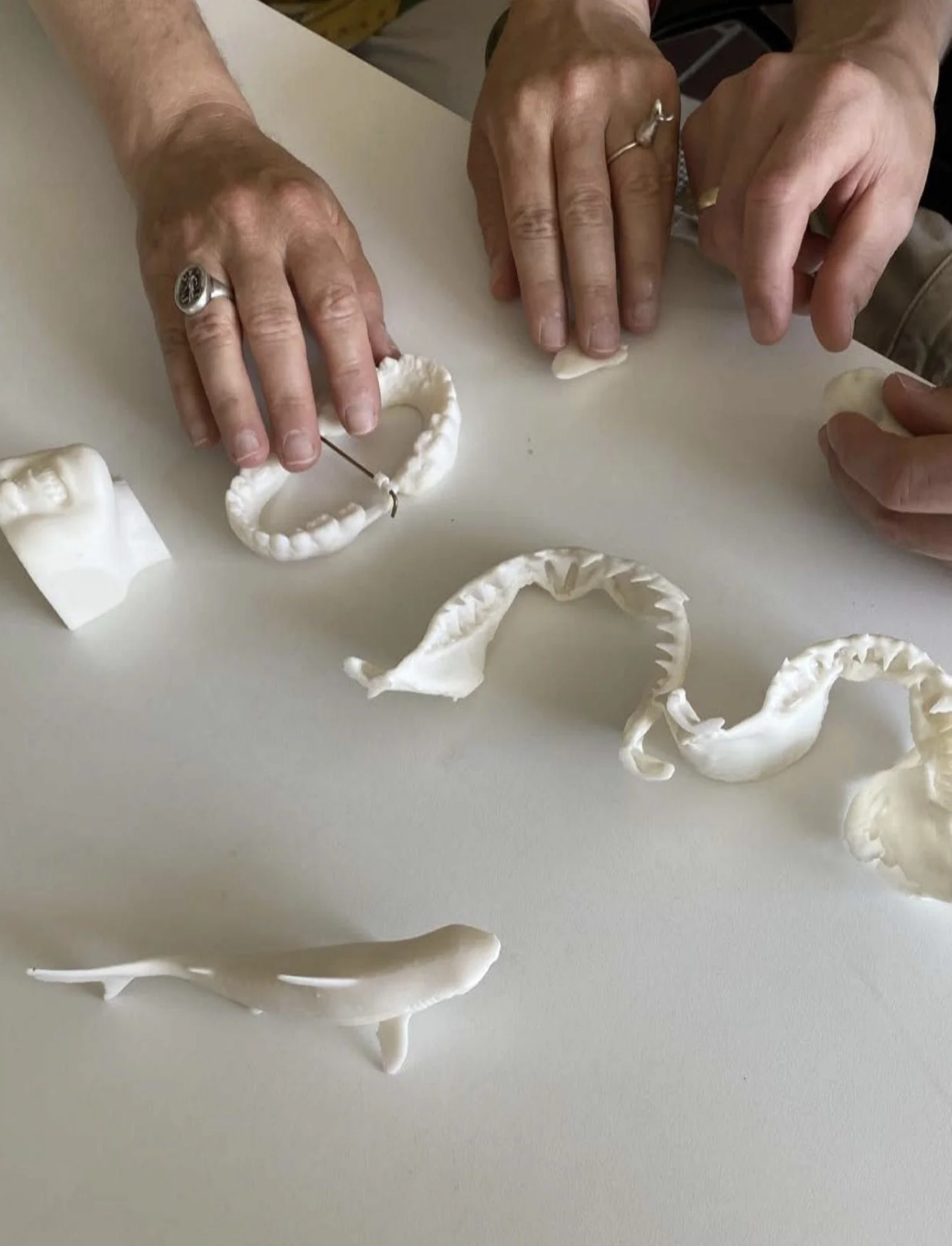
Museums provide access to a rich array of artworks, artefacts and specimens through their collections and exhibitions. To ensure their preservation they usually cannot be touched and so do not exist for blind and low vision people (BLV). This research proposes that physical representations of museum objects can act as tactile surrogates for BLV communities, and so become important tools for blind and visually impaired people to perceive objects on a touch basis. This allows access to the stories, worldviews and concepts that these objects connect to. Touch objects also serve the wider community through museum education and outreach programs, especially through Object-Based Learning (OBL), which enables participants to engage deeply with museum collections.
Dagmar and the team’s research into OBL strategies could be a driver for designers and architects and further, a consideration on how museum objects can be translated as new objects, narrative maps and other representations. A design framework could be developed, coupled with photogrammetry and 3D printing methodologies to deliver an accessible museum, with spatial maps, objects and a pedagogical framework for all audiences and inclusive access to knowledge as provided by curatorial exhibits and collections in a museum context.