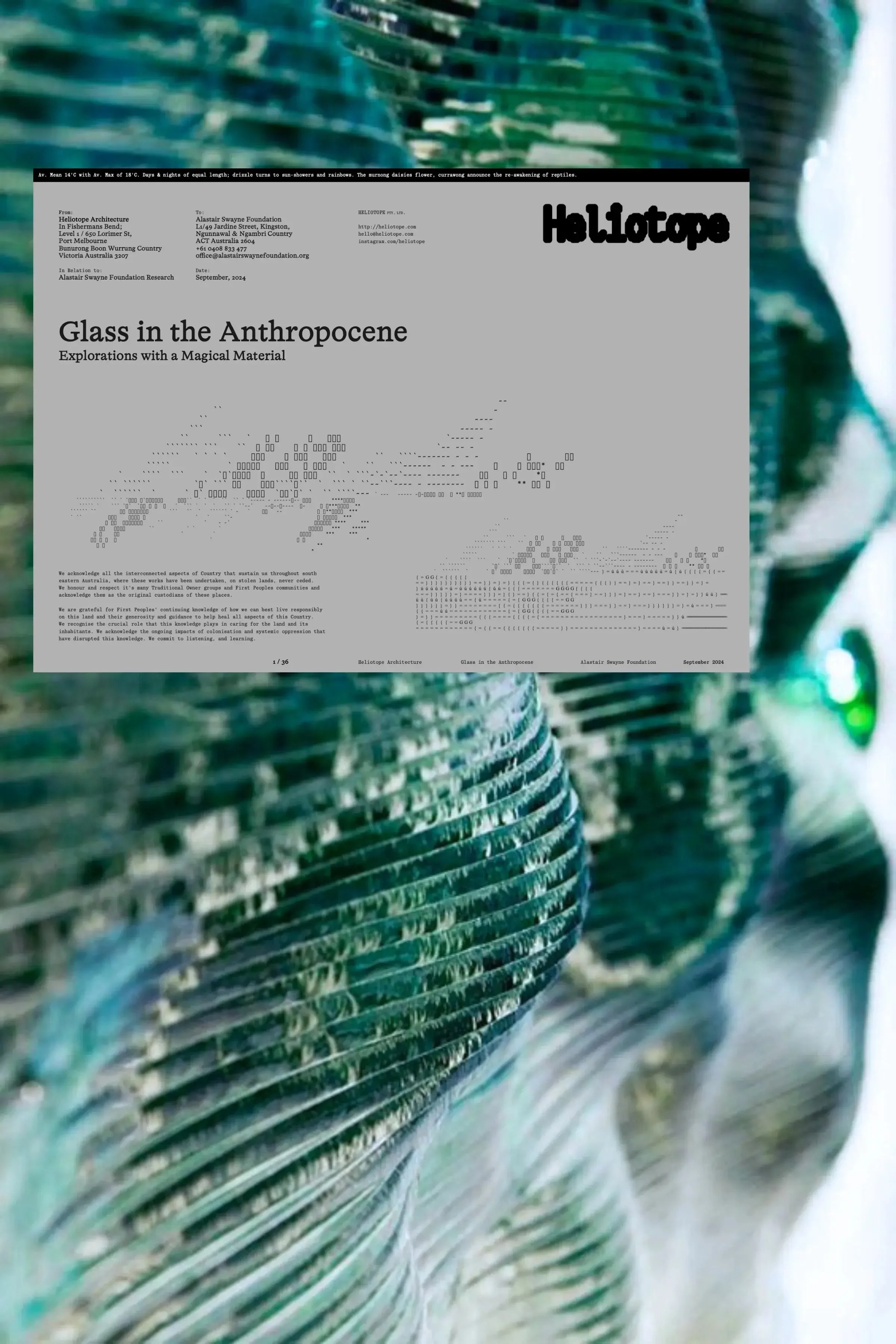
Glass in the Anthropocene: Explorations with a Magical Material
Researcher
Heliotope Architecture
Published
06 November 2024
Funding
Design Strategy Grant
In the age of the Anthropocene, Heliotope seeks to explore the creative possibilities for glass gleaned from the circular economy.
Architecture is considered by many as the manipulation of light. Glass is a transcendental / mercurial material, a magical liquid that captures and distributes sun light.
Glass can go through an endless cycle of being melted and reshaped, however it is cheaper and easier to import new glass than to recycle it, and so Australia sends 62,000 tonnes of glass to landfill each year (the equivalent of roughly 11,200,000,000 mega joules of embodied energy).
Architecture – and architects – are in a position to challenge material relations by incorporating circular economy materials into practice. This research seeks to explore the creative possibilities for glass gleaned from the circular economy. We look to use low energy interventions – cutting, crushing, stacking and attaching – to reimagine its application and aesthetic in a contemporary context.
Latest Research
Adaptable and site-responsive, the framework aims to establish respectful modes of working on Country and with landscapes that inform our projects, while also expanding the boundaries of our respective practices and disciplines.
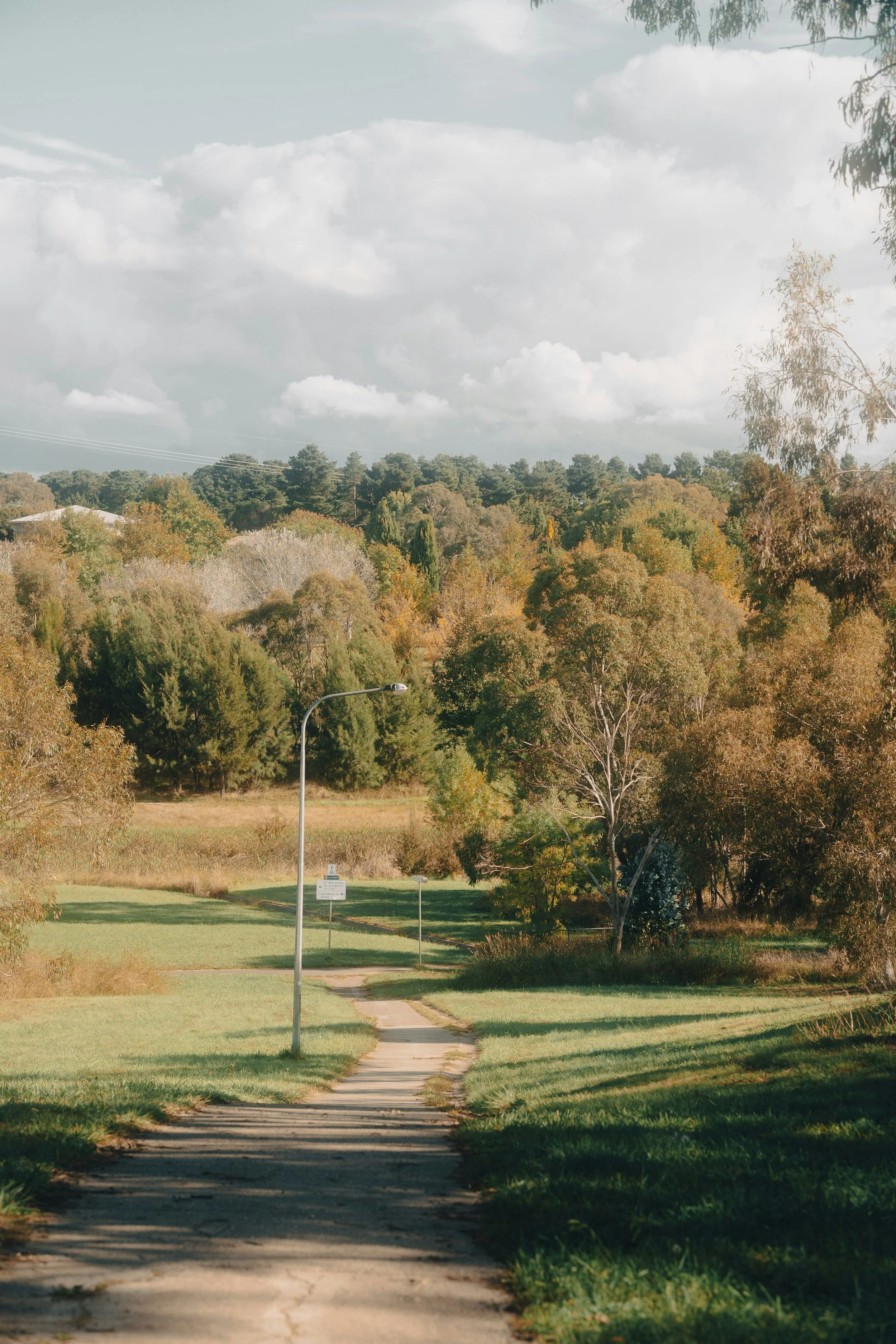
A case study of Canberra Aged Care in Lyneham, Australian Capital Territory (ACT), forms the basis of a mixed-methods study combining the Seniors Walking Environmental Audit Tool-Revised (SWEAT-R), and spatial and visual mapping. Central to this study is a novel phenomenological graphical delayering method, developed to translate the experience of walking into a visual analytic tool.
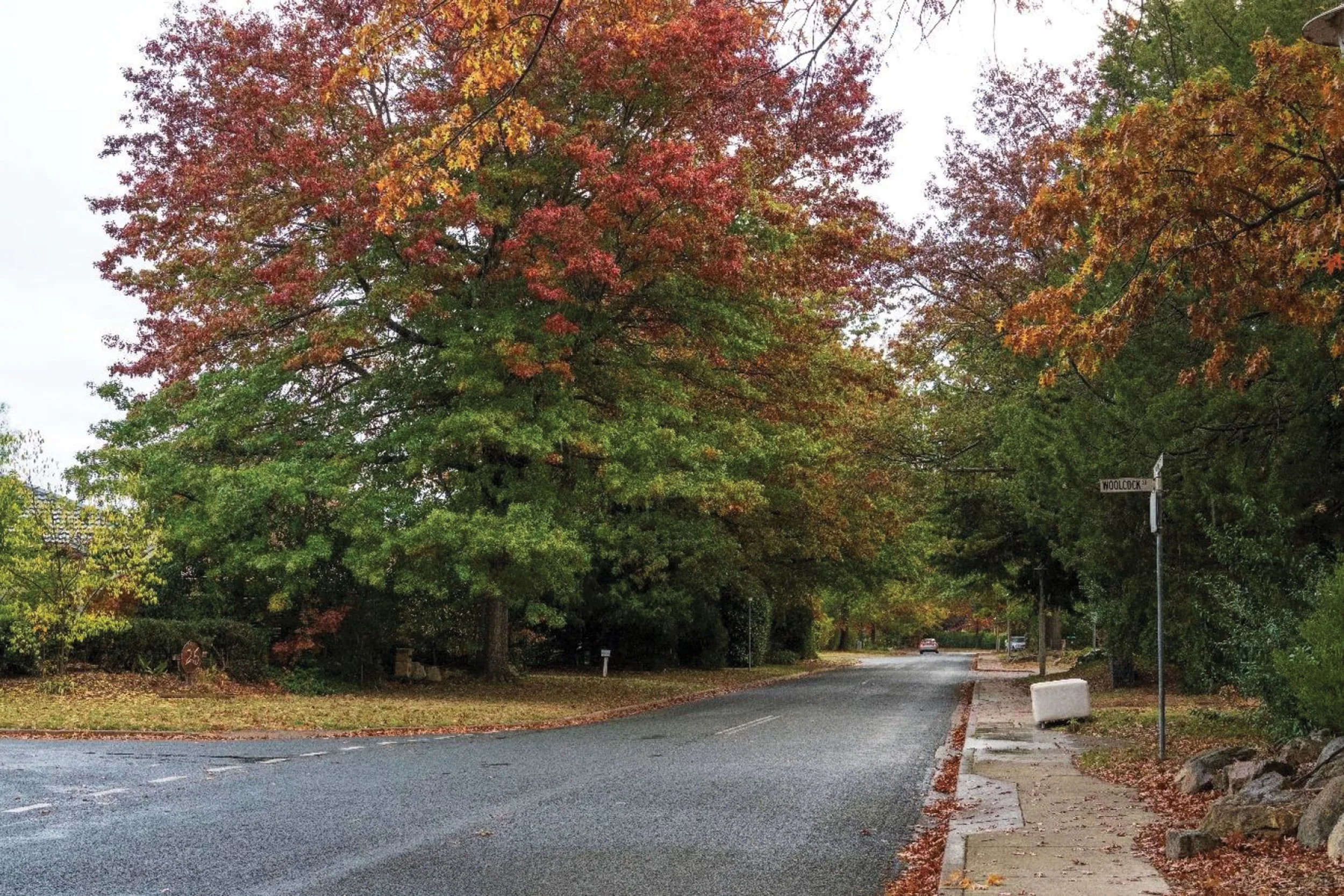
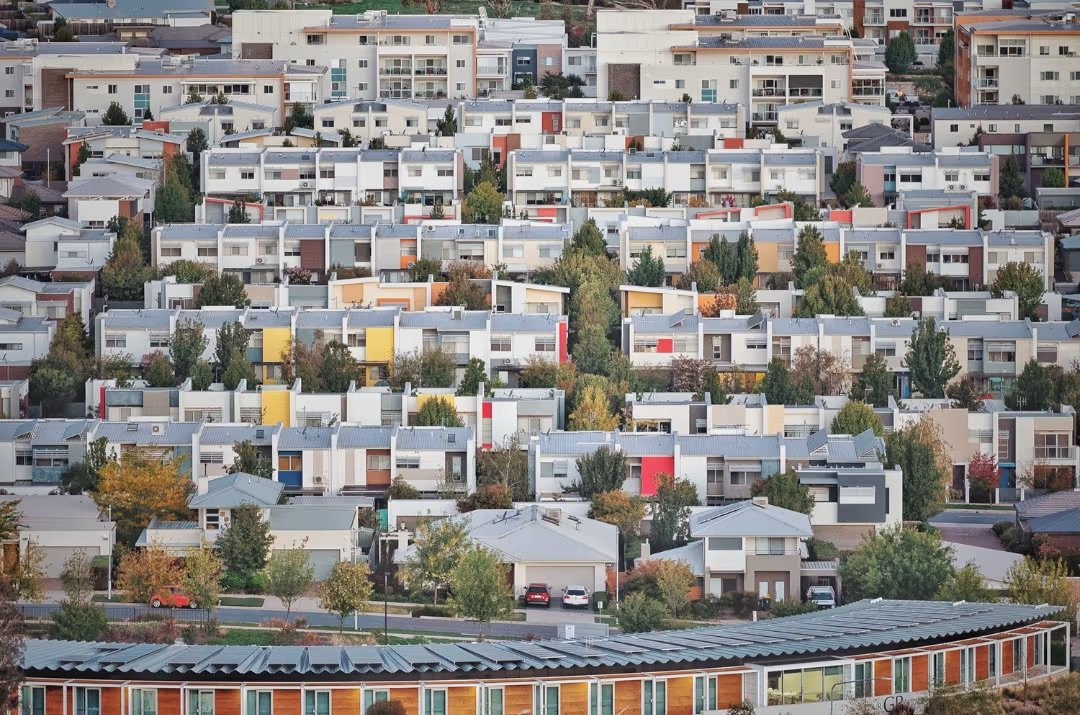
Using the post-war suburb of Watson as a case study, the research analyses the characteristics of Canberra’s “ex-govie” suburbs, where redevelopment pressures are intensifying. Four design scenarios were developed using a real urban section in Watson to test how Bluefield housing principles could be applied to Canberra’s context.
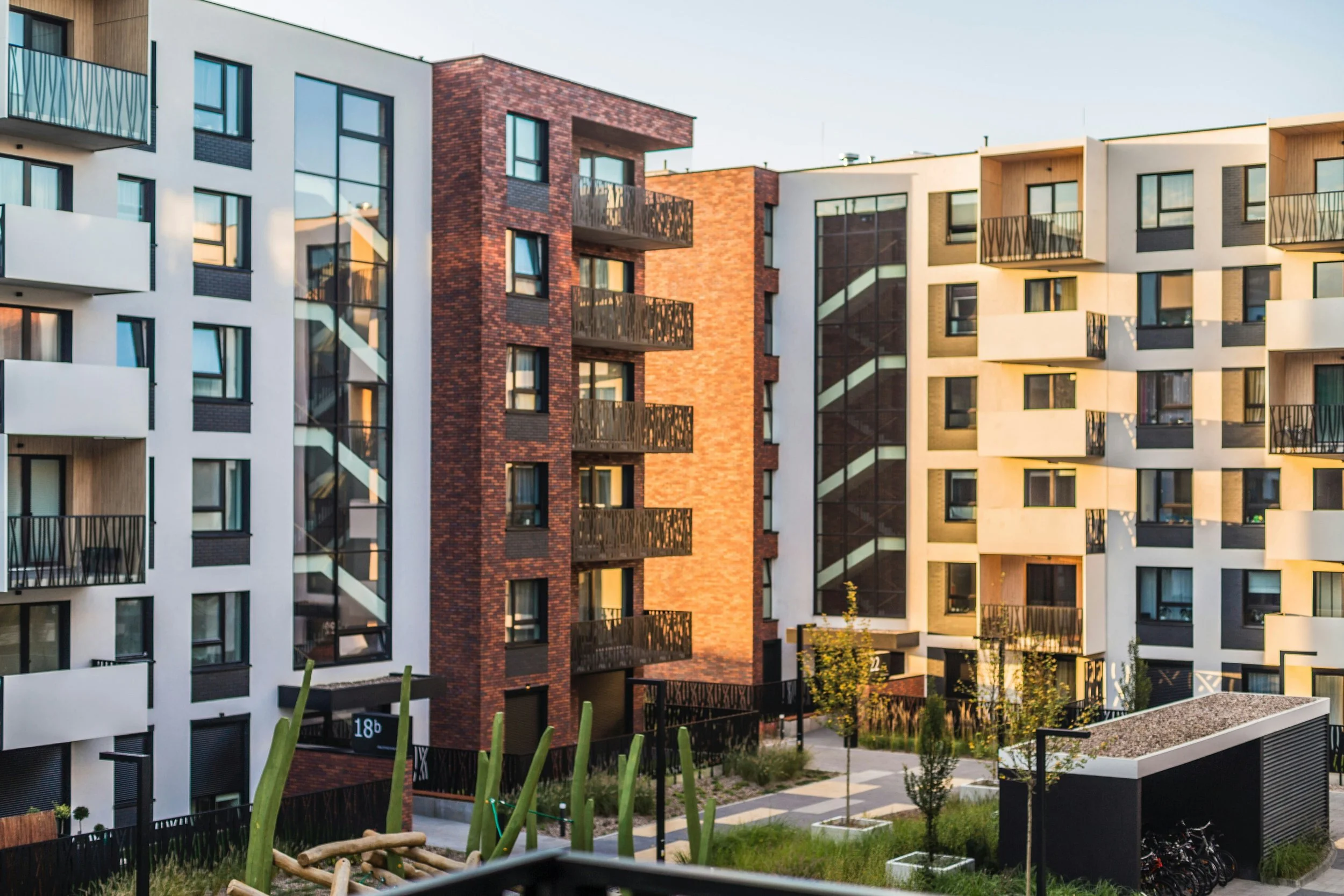
Apartment living is often regarded as unsuitable for Australian families with children. However, this perception may reflect the spatial limitations of typical apartment design rather than an inherent incompatibility between families and higher-density housing.
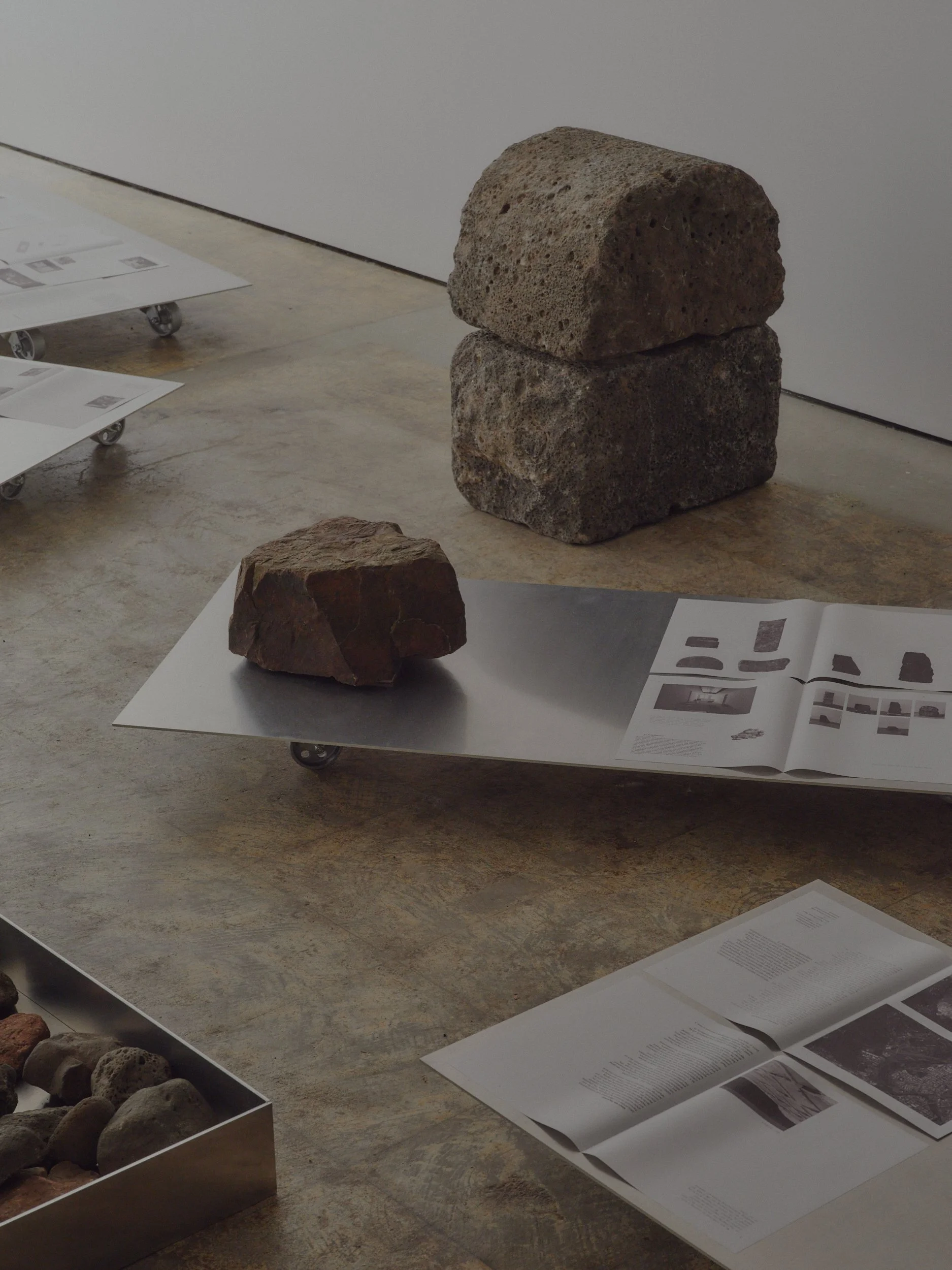
Drawing from her residency at the American Academy in Rome, Stephanie explored material reuse not just as a design strategy, but as a cultural act. Through the lens of spolia - the reuse of fragments from existing structures - she traced how materials can carry memory, labour, and meaning across time, from the travertine quarries of Tivoli to the basalt plains of Western Victoria.
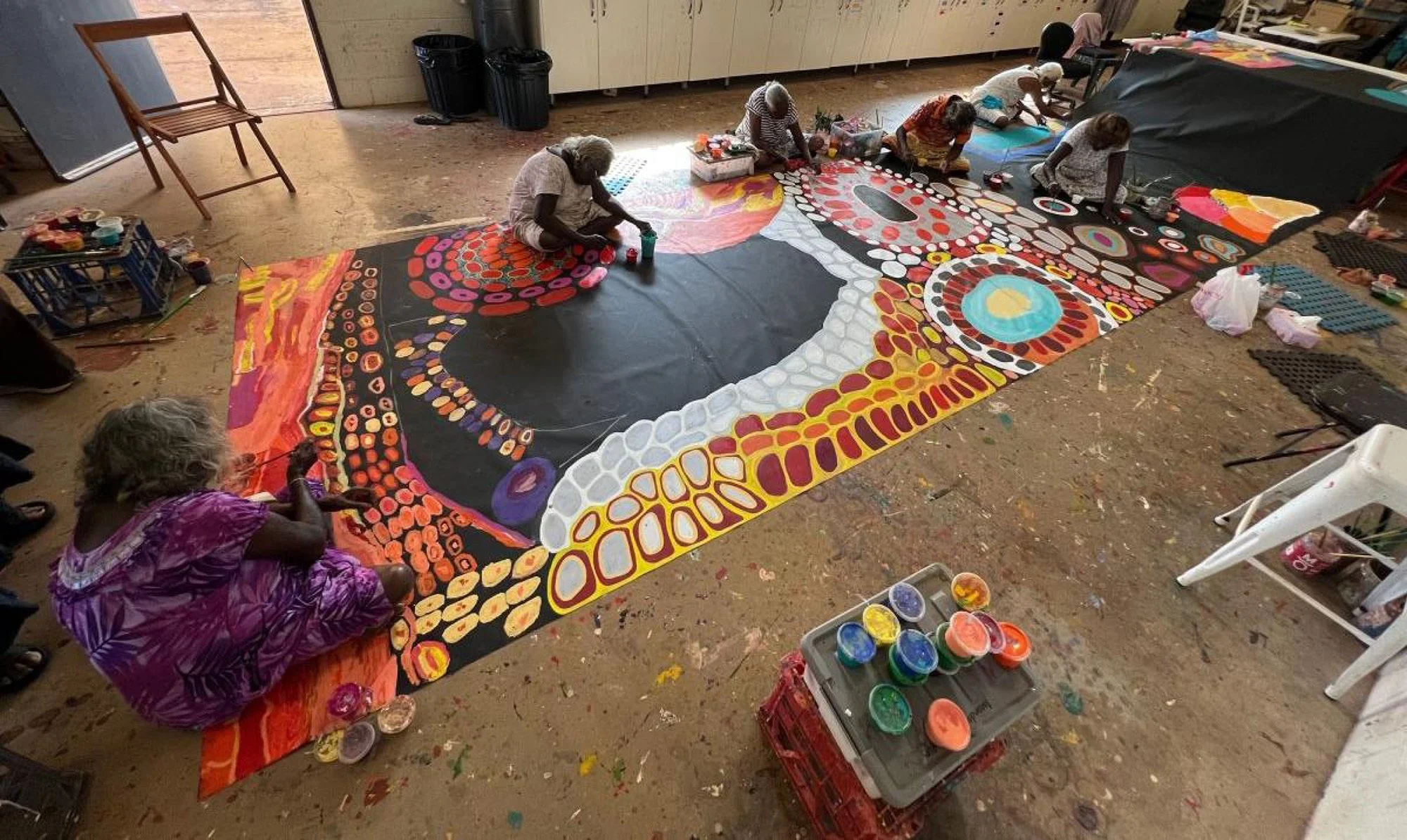
The case study report collates preliminary and baseline data investigating the work and workplace dynamics of a Far North Queensland IAC, Mirndiyan Gununa Aboriginal Corporation (aka MIArt), Mornington Island, as an embedded case study. The report presents the key outputs of the study and provides an overview of the IAC and its context to provide an historical and cultural overview.
The Super Urban Podcast is a series of conversations about cities and how they’re designed; how we imagine them and how we could re-imagine them, hosted by Ian Nazareth, Graham Crist and Christine Phillips.
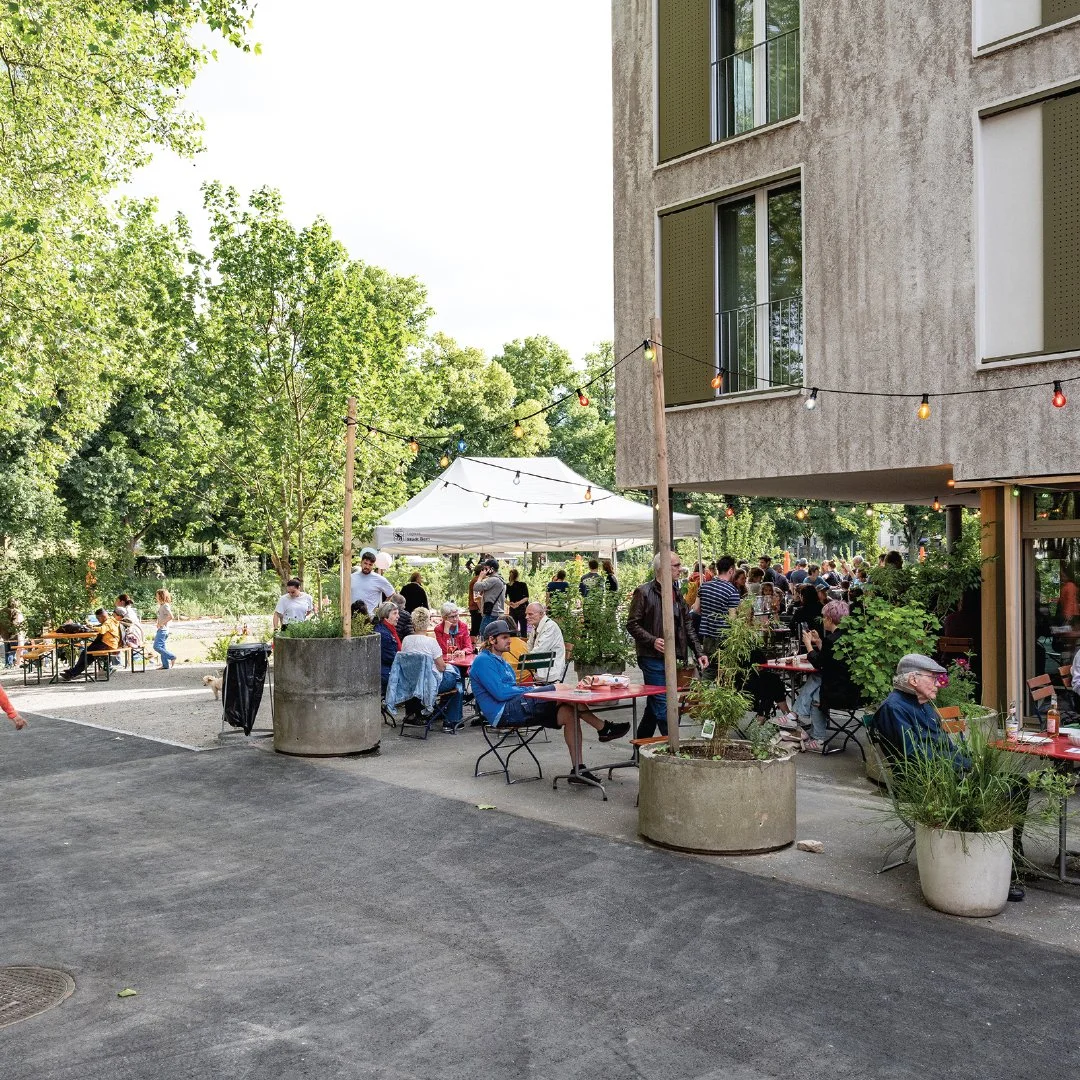
Shared and Sustainable Future Communities explores how regulatory barriers in the ACT affect the growth of cohousing, and outlines reforms to enable more sustainable, affordable, and community-driven housing models.
Solid Yarns is a podcast about how First Nations creatives and industry partners can work together. Each episode features a First Nations creative in conversation with their client, unpacking a project brief and sharing stories behind the work.
A research project examining five exemplary medium‑density, high‑quality housing case studies in Europe and the UK. They show how land, social capital, and amenities are shared and how design promotes sustainable performance and social connection.